
 YouTube
 Facebook
 Linkedin
© Copyright 1976-2017 Shenzhen Vodno Technology Co., Ltd All rights reserved. Powered by iwonder.cn

Lithium battery professional builder
Electric bicycles have rapidly become a preferred mode of transportation for commuting, recreation, and even commercial delivery. At the heart of every e-bike lies one critical component: the battery. Understanding different electric bicycle battery types is essential for choosing the right performance, lifespan, safety, and cost balance.
In this guide, we will explore the main types of electric bicycle batteries—such as lithium-ion batteries, lithium iron phosphate (LiFePO4) batteries, lithium polymer (LiPo) batteries, and traditional lead-acid batteries—compare their characteristics, and help you determine which option best suits your needs.
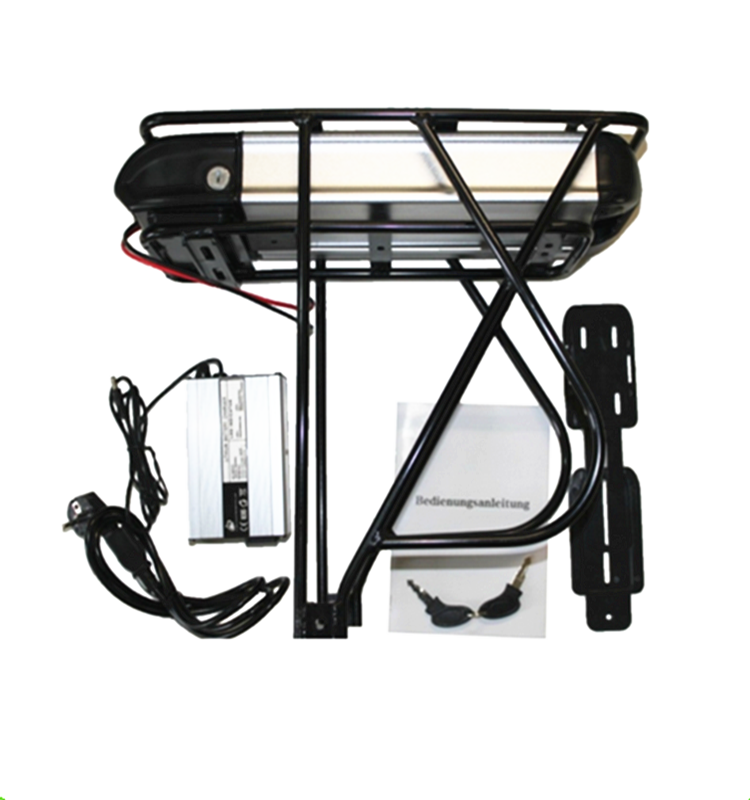
An electric bicycle battery is the power source that supplies energy to the motor, enabling pedal assistance or full electric propulsion. Most modern e-bikes use an electric bicycle battery pack, which consists of multiple battery cells connected and managed by a Battery Management System (BMS).
Key components include:
Battery cells (e.g., lithium-ion 18650 cells)
Battery pack housing
BMS (Battery Management System)
Charging interface
The performance of an e-bike—its range, power, and reliability—depends heavily on the battery type and configuration.
There are several battery technologies used in electric bicycles. Each comes with its own advantages and limitations.
Lithium-ion batteries are the most widely used type in modern electric bicycles.
Advantages of Lithium ion Battery:
High energy density (longer range)
Lightweight compared to other battery types
Long cycle life (typically 800–1500 cycles)
Fast charging capability
Disadvantages:
Higher upfront cost
Requires proper battery management for safety
Most electric bicycle battery packs today are based on lithium-ion technology, often using 18650 battery packs or newer 21700 cells. These batteries offer the best balance of performance and weight, making them ideal for commuting and daily use.
LiFePO4 batteries are a type of lithium battery known for their safety and durability.
Advantages of LiFePO4 Batteries:
Excellent thermal and chemical stability
Very long cycle life (2000+ cycles)
Safer than standard lithium-ion batteries
Disadvantages:
Lower energy density (heavier and bulkier)
Higher cost per capacity
These batteries are often used in applications where safety and longevity are critical. A LiFePO4 battery pack is suitable for commercial fleets or users who prioritize durability over weight.
Lithium polymer batteries use a gel-like electrolyte and are known for flexible form factors.
Advantages:
Lightweight and compact
Can be shaped into different designs
High discharge rates
Disadvantages:
More sensitive to overcharging and damage
Requires strict safety controls
Although commonly used in RC LiPo batteries for drones and RC models, LiPo batteries are less common in standard electric bicycles but may appear in high-performance or custom builds.
Lead-acid batteries were widely used in early electric bikes but are now largely outdated.
Advantages:
Low initial cost
Simple technology
Disadvantages:
Very heavy
Short lifespan (300–500 cycles)
Low energy density
Environmentally unfriendly
Today, most manufacturers have shifted away from lead-acid in favor of lithium-based solutions.
Below is a comparison of the main battery types:
|
Battery Type |
Lifespan |
Weight |
Cost |
Safety |
Best Use |
|
Lithium-ion |
Medium–High |
Light |
Medium–High |
Good |
Daily commuting |
|
LiFePO4 |
Very High |
Medium–Heavy |
High |
Excellent |
Commercial / long-term use |
|
LiPo |
Medium |
Very Light |
Medium |
Moderate |
High-performance / custom |
|
Lead-acid |
Low |
Heavy |
Low |
Low |
Budget / outdated |
Beyond battery chemistry, configuration also plays a critical role in performance.
Common e-bike battery voltages include:
36V electric bicycle battery – Suitable for light commuting
48V e bike battery – Most popular, balanced performance
52V e bike battery – Higher power and speed
Battery capacity determines how far you can travel:
Higher Ah = longer range
Example: e bike battery 36v 20ah provides more range than e bike battery 36v 15ah.
E-bike batteries come in different mounting styles:
Ebike Downtube battery – Integrated into the frame
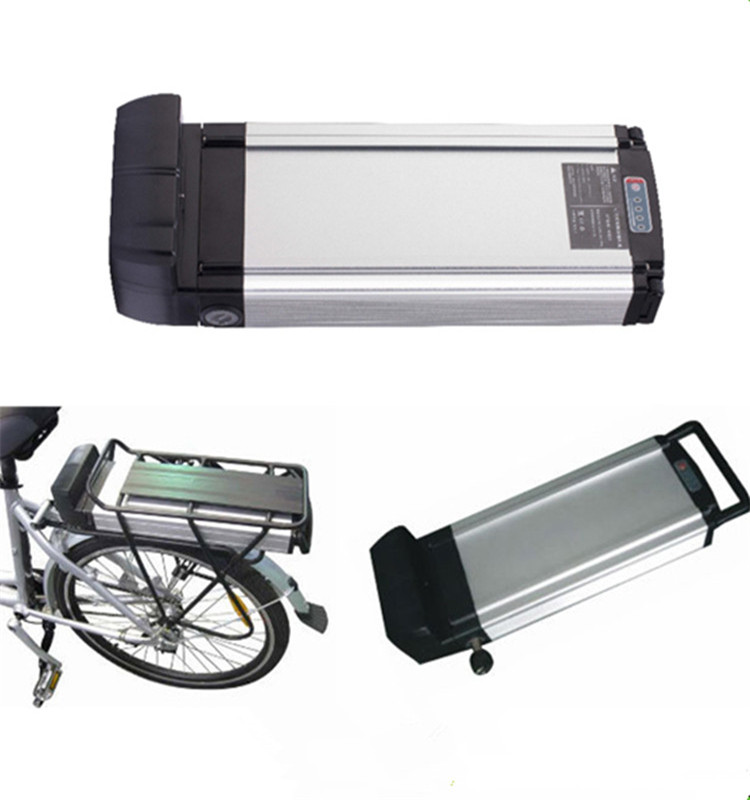
Ebike Rear rack battery – Mounted on the back rack
Ebike Integrated battery – Hidden inside the frame
Ebike Hailong case battery – Common removable design
These configurations affect both aesthetics and usability.
Selecting the right battery depends on your specific requirements.
Commuting → Lithium-ion battery
Delivery / commercial use → LiFePO4 battery
Performance riding → High-discharge lithium or LiPo
Choose a battery with sufficient capacity (Ah) to meet your daily travel needs.
Lower budget → Standard lithium-ion
Long-term investment → LiFePO4
If safety is a priority, LiFePO4 batteries offer superior stability.
Frequent charging requires a battery with a longer cycle life.
For most users:
Lithium-ion batteries are the best overall choice
LiFePO4 batteries are ideal for durability and safety
Lead-acid batteries are not recommended
LiPo batteries are niche and require careful handling
Ultimately, the best battery depends on your application and priorities.
Battery technology continues to evolve rapidly. Key trends include:
Higher energy density lithium cells
Faster charging capabilities
Improved battery management systems (BMS)
Development of solid-state batteries
Increased adoption of residential solar batteries integration for charging
These innovations will further improve e-bike performance and sustainability.
Understanding different electric bicycle battery types is essential for making an informed decision. From lithium-ion to LiFePO4, each battery type offers unique benefits depending on your needs.
When selecting an electric bicycle battery, please consider factors such as performance requirements, safety, cost, and lifespan. By choosing the right battery pack for your e-bike, you can significantly enhance your riding experience and gain greater long-term value.
If you are looking for reliable, high-performance solutions such as custom battery pack, electric bicycle battery pack, 18650 battery pack, LiFePO4 battery pack, RC LiPo battery, or lithium ion battery cells, consider working with an experienced manufacturer like Vodno Battery, a trusted supplier of advanced lithium battery solutions worldwide.
Lithium-ion batteries are the most popular due to their balance of weight, performance, and lifespan. LiFePO4 batteries are best for safety and durability.
Most lithium-ion batteries last between 800 and 1500 charge cycles, while LiFePO4 batteries can exceed 2000 cycles.
LiFePO4 batteries are safer and last longer, but they are heavier and have lower energy density compared to lithium-ion batteries.
Yes, but you must ensure compatibility with your motor, controller, and voltage requirements before upgrading.
A battery cell is a single unit (e.g., lithium-ion cell), while a battery pack is a combination of multiple cells assembled to deliver higher voltage and capacity.
48V is the most common choice, offering a good balance between power and efficiency. Higher voltages like 52V provide more performance.