
 YouTube
 Facebook
 Linkedin
© Copyright 1976-2017 Shenzhen Vodno Technology Co., Ltd All rights reserved. Powered by iwonder.cn

Lithium battery professional builder
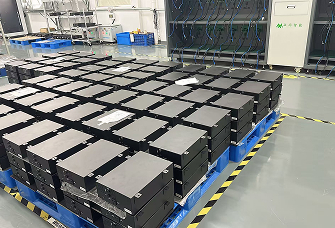
In today’s industrial landscape, reliable and efficient power sources are critical for the performance and longevity of devices. Many industrial machines and equipment—from robotics and electric tools to energy storage systems—require tailored battery solutions that meet specific operational needs. This is where custom batteries for industrial devices become essential. Unlike off-the-shelf batteries, custom battery packs are engineered to match device specifications, optimize performance, and ensure safety under demanding conditions.
This guide will walk you through the process of designing and developing custom battery packs, the types of batteries used in industrial applications, critical parameters to consider, and tips for selecting a reliable manufacturer.
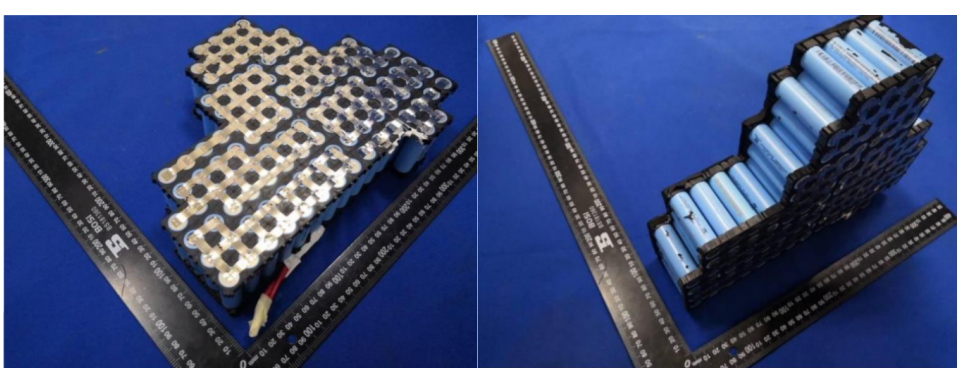
A custom battery pack is an assembly of multiple battery cells configured to deliver the required voltage, capacity, and performance for a specific application. While individual cells such as lithium-ion battery cells or 18650 battery cells provide energy at the smallest scale, industrial devices require larger, organized battery packs that integrate a Battery Management System (BMS), protective circuitry, and durable housing.
A typical custom battery pack includes:
High-quality battery cells (Li-ion, LiFePO4, or LiPo)
BMS for monitoring voltage, current, temperature, and cell balancing
Protective casing to withstand industrial conditions
Connector interfaces for device integration
Custom battery packs are essential for applications that demand precise voltage, long cycle life, high discharge rates, or unique physical form factors.
Industrial devices often operate in environments and conditions that standard batteries cannot support. Custom battery packs address several critical factors:
Industrial equipment comes in varied sizes and configurations. Some devices require slim, integrated batteries, while others need large modular packs. Customization ensures that the battery fits perfectly within the device without sacrificing performance.
Different industrial devices have varying power demands. High-discharge devices, such as power tools or automated machinery, require batteries that can supply continuous or pulse power. A well-designed custom battery pack optimizes both capacity and discharge rates.
Industrial devices often operate in harsh conditions. Custom batteries can be designed to withstand:
Extreme temperatures (high or low)
Humidity or moisture exposure (IP-rated protection)
Vibration and mechanical shocks
Safety and Compliance
Safety is non-negotiable in industrial applications. Custom battery packs can be designed to comply with international certifications, including CE, UN38.3, and RoHS, and meet regulations for transport and storage.
Several battery chemistries are commonly used in custom battery packs for industrial devices:
Lithium-ion batteries are the most widely used for industrial applications due to their high energy density, long cycle life, and light weight. They are ideal for portable industrial devices, robotic systems, and automated tools.
Lithium Iron Phosphate (LiFePO4) batteries offer superior safety and longevity. These packs are heavier than standard Li-ion but excel in high-temperature and high-cycle applications, making them suitable for industrial energy storage and critical devices.
LiPo batteries provide flexible shapes and high power discharge, suitable for compact or custom-shaped devices. These are more specialized for high-performance industrial tools or robotics requiring lightweight, high-density power sources.
Nickel-Metal Hydride (NiMH) and lead-acid batteries are sometimes used in legacy systems, though they are gradually being replaced by lithium-based options for better performance and safety.
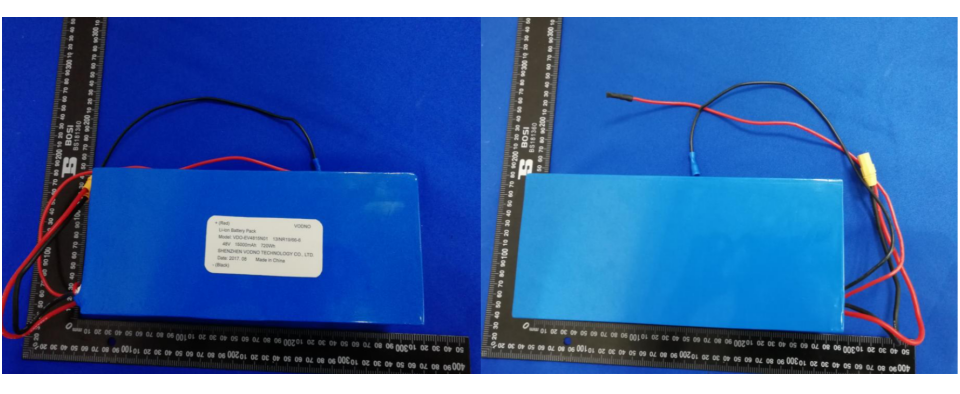
Before starting a custom battery project, clearly define the technical requirements:
Voltage (V): The system voltage of the device determines the battery configuration. Common industrial battery voltages range from 12V to 72V or higher, depending on the application.
Capacity (Ah): Battery capacity determines runtime. Higher Ah means longer operating time without recharge. Proper capacity ensures the device meets its duty cycle and performance needs.
Discharge Rate (C-rate): High-power industrial devices require batteries capable of sustaining high discharge rates. The C-rate indicates how quickly a battery can deliver its stored energy safely.
Cycle Life: Industrial devices often require long-lasting batteries. A higher cycle life ensures fewer replacements and lower operational costs.
Charging Method: Custom battery packs can be designed for fast-charging or slow-charging applications, depending on device usage patterns.
Operating Temperature: Custom batteries can be engineered to operate reliably under extreme heat or cold, critical for outdoor or heavy-duty industrial equipment.
Designing a custom battery pack for industrial devices involves a structured engineering process:
Define the device’s power, size, weight, and environmental requirements. Understand usage patterns and operational constraints.
Choose the right battery chemistry and cell type. Options include lithium-ion battery cells, 18650 lithium ion battery cell, or LiFePO4 cells, depending on energy density, safety, and lifespan requirements.
Design the internal series-parallel cell configuration to achieve the target voltage and capacity. Integrate a BMS for safety and cell balancing. Consider thermal management for heat dissipation.
Build a prototype pack to validate design assumptions. Test for voltage, capacity, discharge performance, and fit within the device.
Conduct rigorous safety and performance tests, including overcharge, over-discharge, short-circuit, and thermal stress tests. Obtain necessary certifications (CE, UN38.3, RoHS) for industrial compliance.
Once validated, the battery pack can move to mass production. Quality control ensures consistent performance across all units.
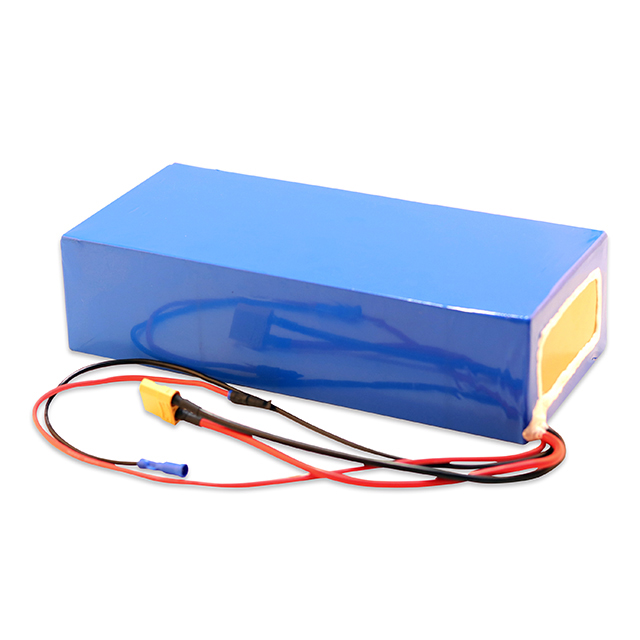
The BMS is a crucial part of a custom battery pack. It provides:
Overcharge and over-discharge protection
Temperature monitoring
Cell balancing for long life
Communication with the device via CAN bus or SMBus
A well-designed BMS ensures reliability and safety in industrial environments.
Custom battery development involves several challenges:
Design conflicts with device space constraints
Heat management in high-power devices
Safety concerns in harsh environments
Cost optimization for industrial budgets
Certification timelines for regulatory compliance
Working with experienced custom battery manufacturers for industrial devices helps mitigate these risks.
Several factors influence the cost of industrial custom batteries:
Cell chemistry and quality
BMS complexity
Enclosure material and protection
Certification and testing
Order quantity and production scale
Understanding these factors allows for effective budgeting and project planning.
When selecting a supplier for industrial custom battery packs, consider:
Engineering and design expertise
Production capacity and quality control
International certifications (CE, UN, RoHS)
Experience with industrial applications
Technical support and after-sales service
A reliable manufacturer ensures your custom battery meets both technical and regulatory standards.
Custom batteries power a wide range of industrial devices, including:
Industrial machinery
Robotics and automation systems (custom battery packs for robotic devices)
Energy storage systems (residential solar batteries)
custom battery systems for medical equipment
Electric tools (custom drone battery)
The right custom battery ensures optimal performance, safety, and device longevity.
Custom battery packs are essential for industrial devices requiring specific power, size, and performance criteria. Properly designed industrial battery packs ensure safety, durability, and efficiency, while enhancing the operational performance of the equipment.
Whether you need lithium battery packs, 18650 battery packs, LiFePO4 battery packs, or specialized custom battery pack solutions, careful planning, testing, and collaboration with an experienced manufacturer are key to success.
A custom battery pack is a tailored assembly of cells, BMS, and housing designed to meet the specific requirements of a device.
Development typically ranges from 6–12 weeks, including design, prototyping, testing, and certification.
Common certifications include CE, UN38.3, RoHS, and other region-specific safety standards.