
 YouTube
 Facebook
 Linkedin
© Copyright 2026 Shenzhen Vodno Technology Co., Ltd All rights reserved. Powered by iwonder.cn

Lithium battery professional builder
Electric bicycles have become a popular and practical solution for urban commuting and recreational riding. However, with the rapid growth of the e-bike market, concerns about battery safety—especially e-bike battery fires—have also increased. Understanding what causes e-bike battery fires is essential for both users and businesses to ensure safe operation and long-term reliability.
In this guide, we’ll explore the root causes of e-bike battery fires, warning signs, prevention strategies, and how to choose safer battery solutions.

Most modern e-bikes are powered by an electric bicycle lithium ion battery, which offers high energy density and long cycle life. However, like all lithium-based systems, these batteries can become dangerous under certain conditions.
The primary mechanism behind battery fires is called thermal runaway. This occurs when a battery cell overheats, triggering a chain reaction that causes adjacent cells to heat up rapidly. Once initiated, thermal runaway can lead to fire, smoke, or even explosion.
An electric bicycle battery pack consists of multiple cells, a Battery Management System (BMS), and protective casing. If any part of this system fails—whether due to poor design, damage, or misuse—the risk of fire increases significantly.
Understanding the main causes is the first step toward prevention.
One of the most common causes of e-bike battery fires is the use of poor-quality or defective lithium-ion battery cells. Inferior cells may have internal defects that lead to short circuits, overheating, or instability.
Reliable electric bicycle battery manufacturers prioritize strict quality control and testing to minimize such risks.
A poorly engineered e bike lithium battery pack can significantly increase fire risk. Common design issues include:
Lack of proper cell spacing (causing overheating)
Weak or absent BMS protection
Poor thermal management
Inadequate insulation
A well-designed custom battery pack ensures balanced performance, heat dissipation, and safety under various operating conditions.
Charging-related problems are a major contributor to battery fires.
Common issues include:
Using incompatible or low-quality chargers
Overcharging due to faulty BMS
Charging for extended periods (e.g., overnight)
Charging in hot or poorly ventilated environments
Improper charging can cause excessive heat buildup, triggering thermal runaway.
Mechanical damage can compromise battery integrity.
Examples include:
Dropping or impacting the battery
Cracked casing on an electric bicycle removable battery
Internal cell deformation
Even minor damage can lead to internal short circuits, increasing fire risk.
Heat is a critical factor in battery safety. High ambient temperatures or direct sunlight can elevate internal battery temperatures.
Common scenarios:
Leaving an e-bike in a hot car
Charging in enclosed, unventilated spaces
Operating in extreme industrial environments
Excessive heat accelerates chemical reactions inside the battery, increasing the risk of failure.
Using non-original or modified batteries can be dangerous.
Risks include:
Installing incompatible replacement batteries
DIY battery modifications
Using a specialized e bike battery not designed for the specific system
These practices can bypass safety protections and lead to unstable performance.

In many cases, batteries show warning signs before failure. Recognizing these signs can prevent accidents.
Look out for:
Battery swelling or bulging
Excessive heat during use or charging
Unusual smells (burning or chemical odor)
Reduced performance or sudden power loss
Charging irregularities
If any of these occur, stop using the battery immediately.
Prevention is the most effective way to ensure safety.
Always choose batteries that meet international safety standards such as:
CE
UN38.3
RoHS
Certified products from reputable electric bicycle battery manufacturers undergo rigorous testing.
Invest in reliable electric bicycle battery packs with proven safety features, including advanced BMS and high-quality cells.
Use the original charger
Avoid overcharging
Do not charge overnight unattended
Charge in a cool, ventilated area
Handle batteries carefully and avoid dropping or exposing them to impact.
Keep batteries in dry, cool environments
Avoid direct sunlight and high temperatures
Store at partial charge if unused for long periods
Different battery chemistries offer varying levels of safety.
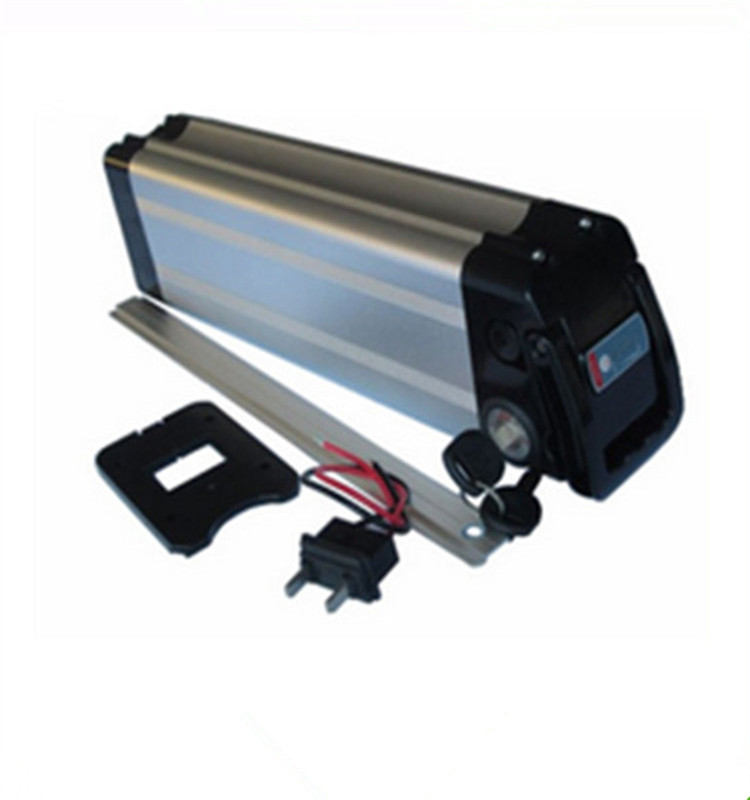
The most common type, offering high energy density and performance. Widely used in electric bicycle lithium ion battery systems.
Lithium Iron Phosphate batteries are known for their superior safety and thermal stability. Although heavier, they are less prone to overheating and fire.
If a battery fire occurs, follow these steps:
Move away immediately and keep a safe distance
Do not attempt to handle the battery
Use a fire extinguisher if trained and safe to do so
Call emergency services
Avoid using water directly unless advised, as lithium battery fires can react unpredictably.
Battery safety is governed by international standards, including:
UN38.3 (transport safety)
CE certification (European compliance)
RoHS (environmental safety)
These standards ensure that batteries meet strict safety and performance requirements.
E-bike battery fires are typically caused by a combination of poor quality, improper use, or inadequate design. Understanding these risks is essential for preventing accidents and ensuring safe operation.
By choosing high-quality e bike lithium battery packs, following proper charging practices, and working with trusted electric bicycle battery manufacturers, users can significantly reduce the risk of fire.
Battery safety is not just about technology—it’s about responsible usage, proper maintenance, and informed decision-making.
E-bike batteries may explode due to thermal runaway, often triggered by overheating, internal short circuits, or overcharging.
Lithium batteries are generally safe when properly designed and used. Risks arise from poor quality, damage, or improper handling.
Battery fires are relatively rare but have increased with the growth of e-bike usage, especially with low-quality or uncertified batteries.
It is not recommended to charge batteries overnight unattended, as overcharging or faults may increase fire risk.
LiFePO4 batteries are considered one of the safest options due to their high thermal stability.
If you are looking for reliable and safe solutions such as electric bicycle lithium ion battery, electric bicycle removable battery, electric bicycle battery packs, or a high-quality e bike lithium battery pack, partnering with a trusted manufacturer is essential.
Vodno Battery is committed to delivering advanced battery solutions with strict quality control, safety compliance, and professional engineering support for global customers.