
 YouTube
 Facebook
 Linkedin
© Copyright 2026 Shenzhen Vodno Technology Co., Ltd All rights reserved. Powered by iwonder.cn

Lithium battery professional builder
Lithium battery technology has become essential in modern electronics and energy systems. From electric bicycles and RC cars to industrial equipment and residential solar storage, lithium battery packs power countless applications worldwide. As demand grows, many hobbyists, engineers, and businesses want to understand how to build a lithium battery pack safely and efficiently.
Building a custom battery pack requires more than simply connecting cells together. Proper design, quality materials, battery management, and safety precautions are critical to ensuring reliable performance and long service life.
In this guide, we’ll walk through the complete process of building a lithium battery pack, including cell selection, pack configuration, BMS installation, assembly, testing, and safety considerations.
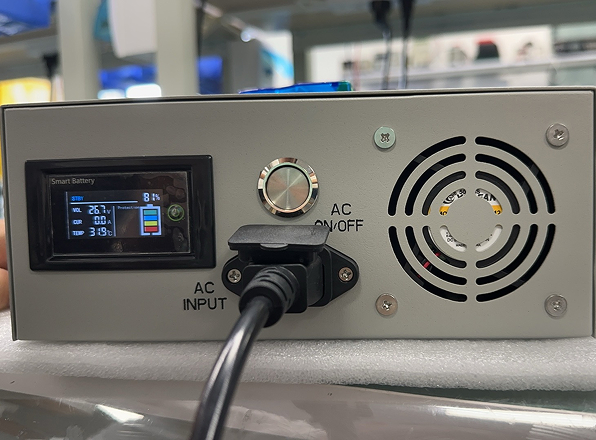
Before starting your project, it’s important to understand what a lithium battery pack actually is.
A lithium battery pack is a group of battery cells connected together in series and parallel configurations to achieve the required voltage and capacity. These packs are widely used in:
Electric bicycle battery packs
Residential solar batteries
Industrial battery solutions
Portable electronics
A battery pack generally includes:
Lithium battery cells
Battery Management System (BMS)
Nickel strips or busbars
Protective insulation
Connectors and wiring
External casing or shrink wrap
Different lithium chemistries are used depending on the application:
Lithium-Ion Batteries
The most common battery type, known for high energy density and long cycle life.
LiFePO4 Batteries
Lithium Iron Phosphate batteries provide enhanced safety and durability, making them ideal for energy storage and industrial applications.
LiPo Batteries
Lithium Polymer batteries are lightweight and capable of high discharge rates, commonly used in RC vehicles and drones.
Understanding the intended application will help determine the right battery chemistry for your custom battery pack.
The performance of your battery pack depends heavily on the quality and type of cells you choose.
18650 Cells
The 18650 battery pack is one of the most widely used formats in the industry. These cylindrical cells offer:
Good energy density
Reliable performance
Wide availability
Cost-effectiveness
They are commonly used in:
Electric bicycle lithium ion battery systems
Power tools
Portable energy storage
21700 Cells
21700 cells are larger than 18650 cells and provide:
Higher capacity
Better thermal performance
Increased energy density
Many high-performance e-bike and industrial battery packs now use 21700 cells.
Prismatic Cells
Prismatic lithium cells are rectangular and often used in large battery systems such as residential solar batteries and EV applications.
Voltage
Most lithium-ion cells have a nominal voltage of 3.6V or 3.7V. LiFePO4 cells typically use 3.2V.
Capacity (Ah or mAh)
Capacity determines how long the battery can power a device.
Discharge Rate
Applications such as RC cars or high-power equipment require cells capable of high discharge current.
Cell Consistency
Always use matched cells from the same manufacturer and batch to ensure balanced performance and safety.
Using low-quality or mismatched lithium ion battery cells can lead to overheating, poor cycle life, or failure.
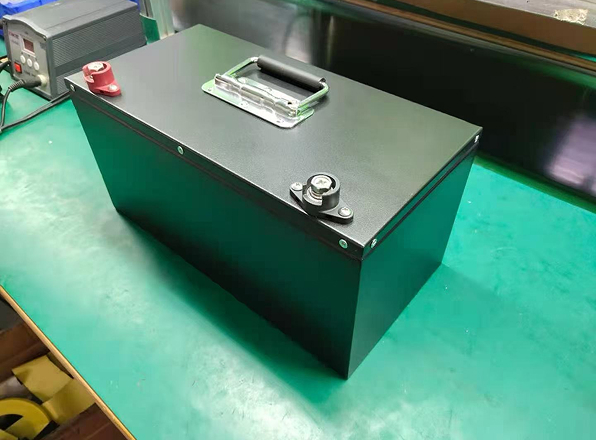
Once you choose the cells, the next step is designing the pack configuration.
Lithium battery packs are built using:
Series connections (S) → increase voltage
Parallel connections (P) → increase capacity
When cells are connected in series:
Voltage increases
Capacity remains the same
Example:
10 cells × 3.7V = 37V (10S pack)
This type of configuration is commonly used in electric bicycle battery packs.
When cells are connected in parallel:
Capacity increases
Voltage remains the same
Example:
4 cells × 2500mAh = 10,000mAh (1P4 configuration)
|
Configuration |
Voltage |
Typical Application |
|
3S |
11.1V |
RC LiPo battery |
|
4S |
14.8V |
RC vehicles |
|
10S |
36V |
Electric bicycle battery |
|
13S |
48V |
E-bike lithium battery pack |
Careful planning ensures the battery pack meets the required voltage, runtime, and physical dimensions.
A Battery Management System (BMS) is one of the most important parts of a lithium battery pack.
The BMS protects the battery and ensures safe operation.
Overcharge Protection
Prevents cells from charging beyond safe voltage limits.
Over-Discharge Protection
Stops the battery from discharging too deeply, which can damage cells.
Temperature Monitoring
Protects the battery from overheating.
Cell Balancing
Ensures all cells maintain equal voltage levels during charging and discharging.
When selecting a BMS, consider:
Battery voltage
Maximum current
Cell chemistry
Communication protocols (if needed)
Using a low-quality BMS can compromise the safety and lifespan of your custom battery pack.
Battery assembly requires careful handling and proper tools.
Spot Welding
Spot welding is the preferred method for assembling lithium battery packs because it minimizes heat exposure to the cells.
Soldering
Direct soldering to battery cells is generally not recommended because excessive heat can damage the cells.
Nickel strips are used to connect battery cells together safely and efficiently.
High-quality pure nickel strips are preferred due to better conductivity and corrosion resistance.
Proper insulation is critical to prevent short circuits.
Common materials include:
Fish paper rings
Kapton tape
Heat shrink wrap
Foam padding
Always:
Wear protective equipment
Avoid short-circuiting cells
Work in a clean, dry environment
Keep flammable materials away
Lithium batteries store significant energy, so proper safety procedures are essential.
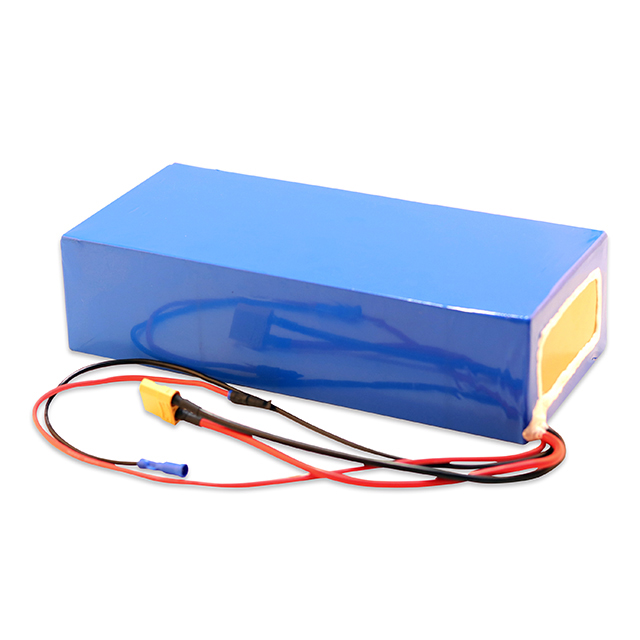
After assembly, the battery pack must be thoroughly tested before use.
Voltage Testing
Check the voltage of each cell group to ensure balance.
Capacity Testing
Verify the actual capacity matches the design specifications.
Load Testing
Test the battery under realistic operating conditions.
Charging Tests
Monitor charging performance and temperature behavior.
Proper testing helps identify potential issues before the battery enters service.
Many beginners make avoidable mistakes during battery pack assembly.
Never combine:
Different brands
Different capacities
Old and new cells
This can cause imbalance and safety problems.
Cheap BMS boards or poor-quality cells may reduce safety and lifespan.
Misconfigured packs can damage electronics or create dangerous voltage levels.
Insufficient airflow or cooling may cause overheating.
Poor spot welds or loose wiring increase resistance and heat generation.
Building a lithium battery pack requires careful planning, technical understanding, and strict attention to safety. From choosing high-quality lithium ion battery cells to designing the proper series-parallel configuration and installing a reliable BMS, every step plays a critical role in battery performance and longevity.
Whether you are building:
An electric bicycle battery pack
A residential solar battery system
An RC LiPo battery pack
A custom industrial lithium battery pack
Proper engineering and testing are essential for safe and reliable operation.
For larger projects or commercial applications, partnering with an experienced custom battery pack manufacturer can help ensure quality, compliance, and long-term reliability.
Yes, but only if proper safety procedures, high-quality materials, and correct assembly methods are used.
Common tools include:
Spot welder
Multimeter
Nickel strips
Insulation materials
Battery tester
Heat shrink tools
Yes, many DIY builders create 48V battery packs using 13S lithium-ion configurations, commonly used in e-bike battery systems.
Most lithium-ion battery packs last between 500 and 1500 charge cycles, depending on cell quality and usage conditions.
The best BMS depends on the battery voltage, current requirements, and application. High-quality BMS systems with balancing and temperature protection are strongly recommended.
If you are looking for reliable solutions such as custom battery pack systems, electric bicycle battery packs, LiFePO4 battery packs, RC LiPo batteries, residential solar batteries, or high-quality lithium ion battery cells, Vodno Battery provides professional lithium battery solutions for industrial, energy storage, and mobility applications worldwide.