
Lithium battery professional builder
Automated guided vehicles (AGVs) are widely used in electronics, manufacturing, heavy industry, logistics, healthcare, and optoelectronics. Across these applications, reliable power is essential for continuous and efficient operation. The AGV battery pack directly affects runtime, payload, charging efficiency, safety, and overall operating costs.
Compared with lead-acid and GEL batteries, lithium battery packs are lighter, charge faster, require less maintenance, and typically provide a longer service life. These advantages make lithium technology well suited to AGVs that operate frequently or for extended periods.
This guide explores eight key advantages of AGV lithium battery packs, compares them with traditional batteries, reviews common lithium chemistries, and explains key selection factors.
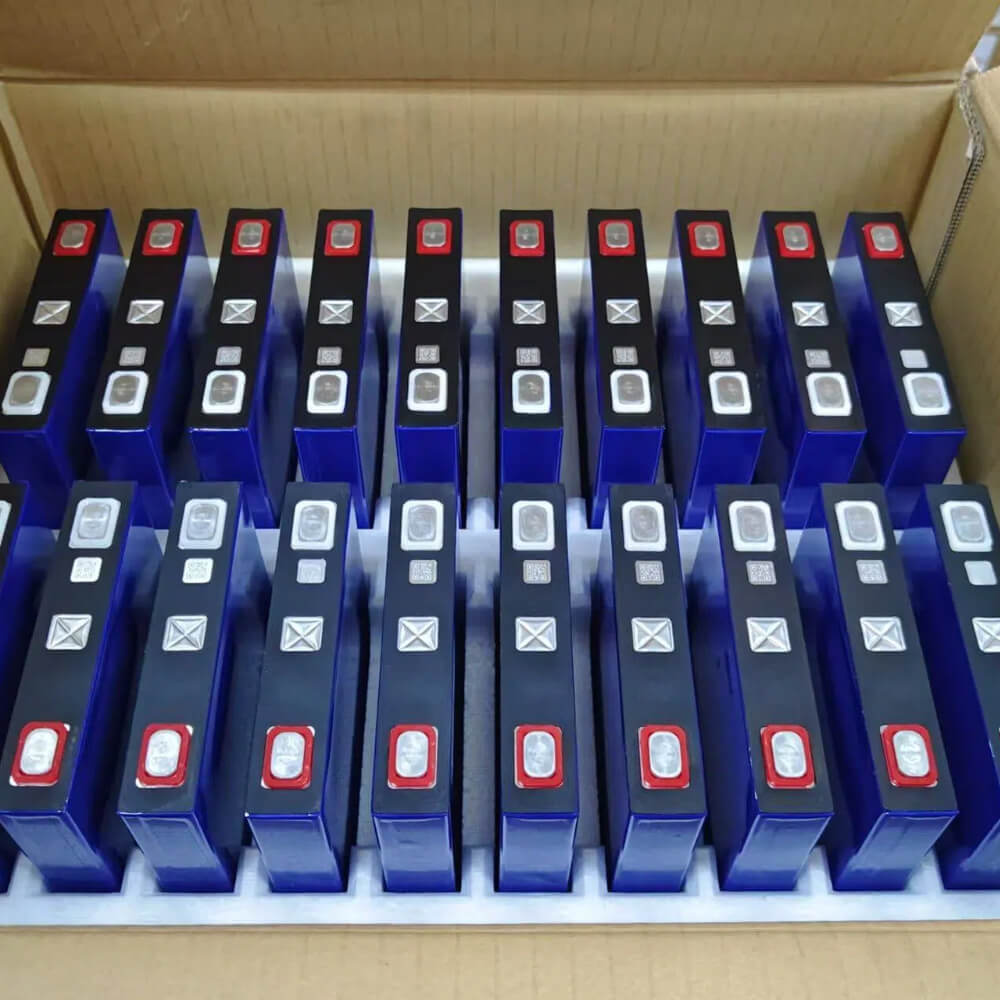
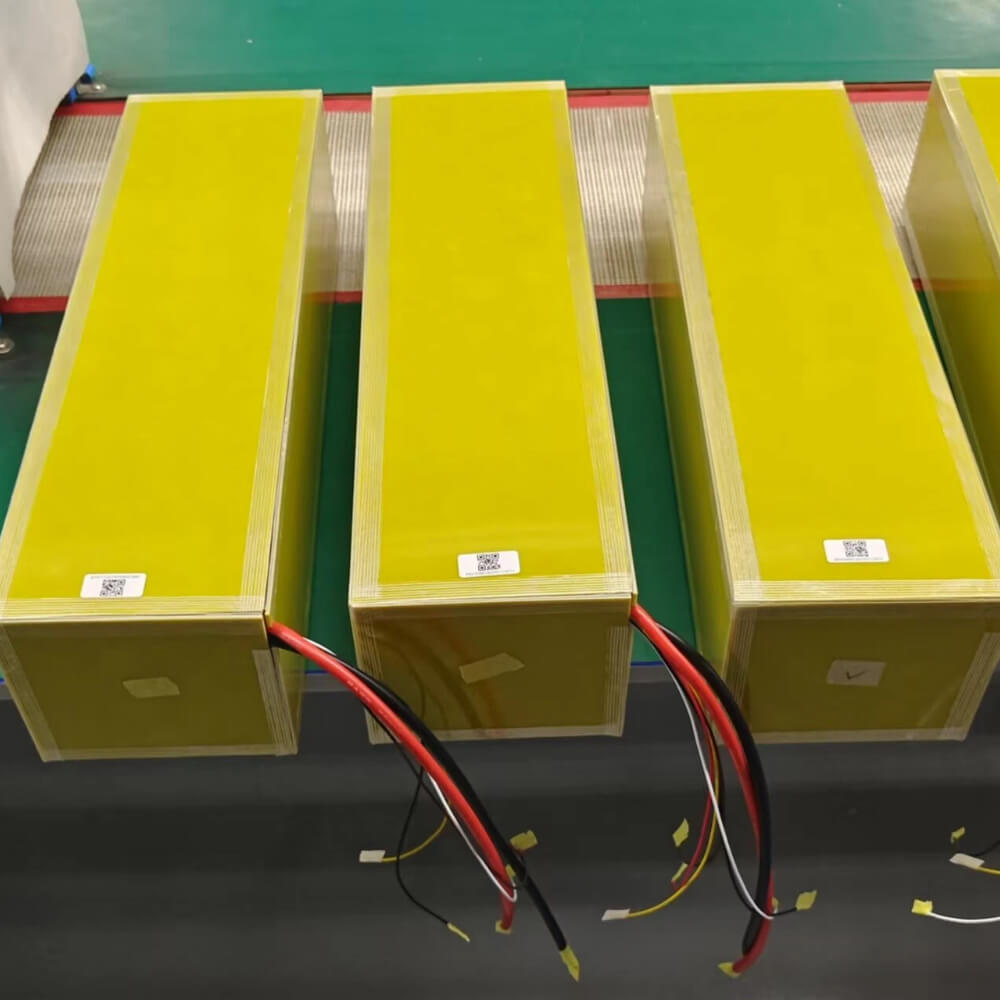
An AGV lithium battery pack is more than a group of connected cells. It is an integrated power system designed to provide stable energy for AGV operation. Key components include:
Different AGV applications require different battery chemistries:
The right chemistry depends on the AGV's operating requirements, which will be compared in more detail below.
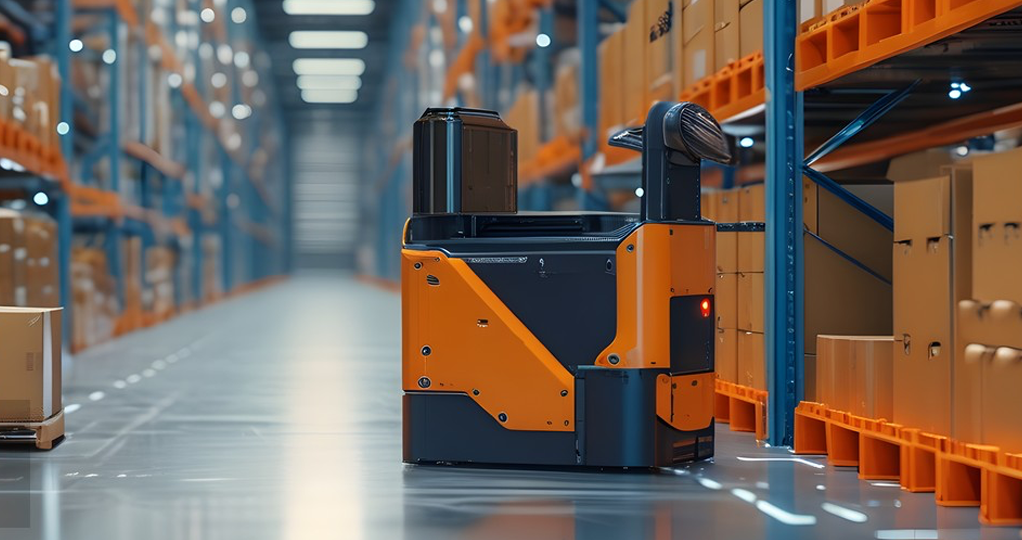
An AGV's performance depends heavily on its battery pack. Because AGVs are designed for efficient, controlled, and reliable movement, the right power system helps maintain these advantages while supporting different operating demands.
The battery pack directly affects:
Battery selection also matters when AGVs are integrated with ERP, WMS, MES, AS/RS, production lines, platforms, or warehouse racks. A suitable battery can support stable operation across these connected systems, making it an important part of overall automated logistics performance.
An AGV battery pack can improve both daily operation and long-term fleet efficiency. Its advantages cover energy utilization, charging, service life, safety, and system integration, making it suitable for demanding automated logistics environments.
|
Benefit |
Key Advantage |
AGV Impact |
|
Higher Energy Density |
Up to 4-5×the energy density of lead-acid |
Less weight and space, supporting higher payloads and compact AGV designs |
|
Fast Charging |
Around 1-2 hours for a full charge; supports opportunity charging |
Less downtime and better support for extended operation |
|
Longer Cycle Life |
Typically 2,000-5,000+ cycles, depending on chemistry and DoD |
Fewer replacements and lower long-term TCO |
|
Higher Efficiency |
Typical efficiency of about 95-98% with stable voltage |
Lower energy loss and more consistent AGV performance |
|
Deeper DoD |
Typically 80-90% usable capacity |
More usable energy per charge |
|
Intelligent BMS |
Monitors voltage, current, and temperature; supports CAN or RS485 |
Battery protection and AGV system communication |
|
Flexible Customization |
Voltage, capacity, dimensions, connectors, and communication can be tailored |
Fits different AGV structures and integration needs |
|
Low Maintenance |
No watering or regular equalization; low self-discharge |
Less routine maintenance and easier long-term operation |
These benefits are closely connected. For example, higher energy density can reduce battery weight, while fast and opportunity charging can help AGVs spend more time working. Together, these characteristics can improve fleet utilization without relying on a single battery feature.
The best configuration still depends on the AGV's workload, charging pattern, available space, and operating environment. Battery chemistry and BMS design should therefore be evaluated as part of the complete power system.
Battery choice can affect both AGV operating efficiency and long-term fleet costs. The following comparison highlights the practical differences between lithium and traditional lead-acid/GEL batteries.
|
Feature |
AGV Lithium Battery |
Lead-Acid/GEL |
Impact |
|
Charging |
1-2 hours |
3-8+ hours |
Less downtime |
|
Energy Density |
4-5×higher |
Lower |
More payload, compact design |
|
Efficiency |
95-98% |
80-85% |
Lower energy loss |
|
DoD |
80-90% |
50-60% |
More usable capacity |
|
Cycle Life |
2,000-5,000+ |
400-1,300 |
Fewer replacements |
|
Maintenance |
Minimal |
Watering, cleaning, equalization |
Lower labor needs |
|
Weight |
Much lighter |
Much heavier |
Easier vehicle design |
|
Opportunity Charging |
Excellent |
Limited |
Better continuous operation |
|
Fleet Size |
Smaller fleet possible |
More units may be needed |
Lower fleet cost |
|
Safety |
BMS protection |
Acid, gas, spill risks |
Improved workplace conditions |
|
Environmental |
No acid; recyclable |
Acid disposal required |
Reduced environmental burden |
Overall, lithium batteries provide advantages across charging, energy use, maintenance, and fleet management, making them a strong option for high-utilization AGV applications.
The right lithium chemistry depends on the AGV's operating priorities. Energy density, cycle life, safety, and charging requirements should be considered together.
|
Chemistry |
Energy Density |
Cycle Life |
Safety |
Best For |
|
LiFePO4 |
90-120 Wh/kg |
2,000-5,000+ |
High |
Healthcare, warehouses, heavy-duty AGVs |
|
NMC |
150-220 Wh/kg |
1,000-2,000 |
Good |
Compact AGVs and longer runtime |
|
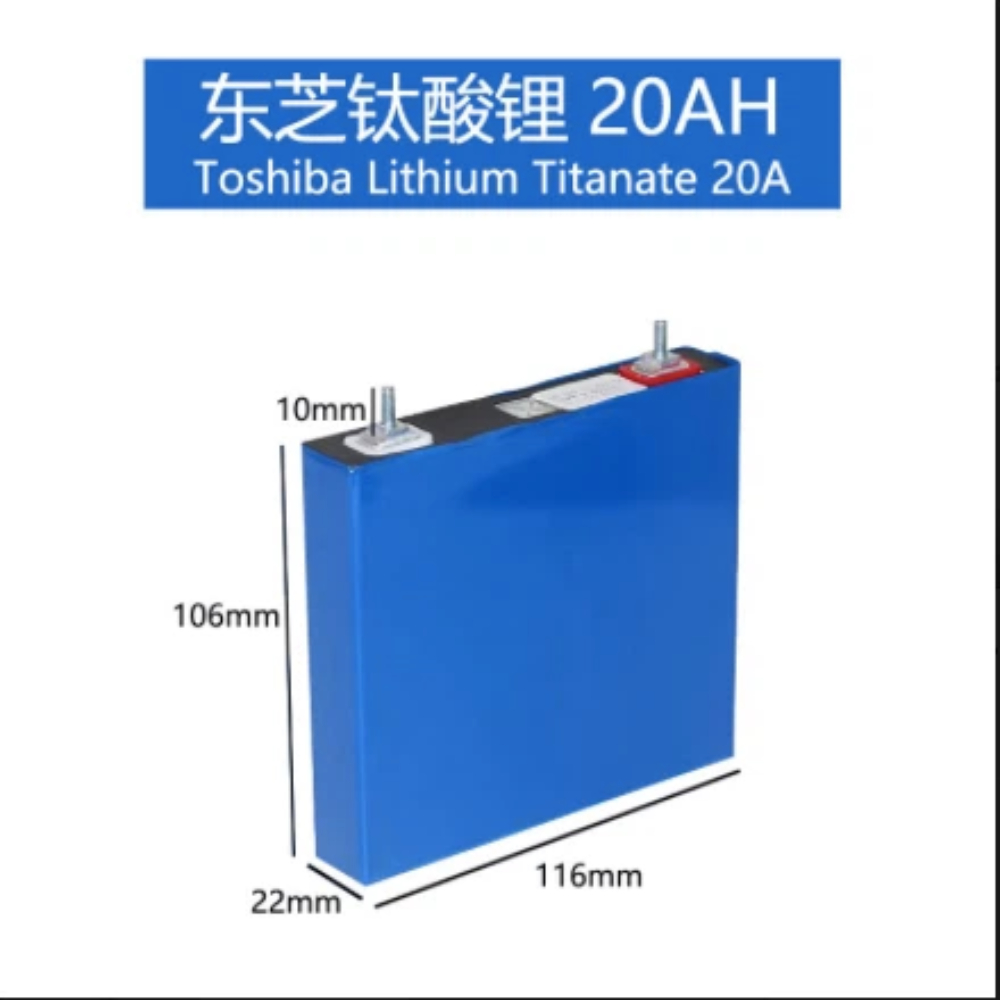
LTO |
70-80 Wh/kg |
7,000-20,000 |
High |
Ultra-fast charging and frequent opportunity charging |
For selection:
The optimal choice should match the AGV's workload, available space, and charging pattern.
Choosing an AGV battery pack requires more than matching voltage and capacity. The battery should fit the vehicle's workload, charging routine, and operating environment.
Key Factors
AGV lithium battery packs can improve automated logistics through higher energy density, faster charging, longer cycle life, better efficiency, deeper usable capacity, intelligent BMS protection, flexible customization, and lower maintenance needs. These advantages can support more reliable AGV operation while helping businesses manage downtime and long-term costs. Choosing lithium power is therefore not simply a battery replacement, but a strategic investment in the efficiency and scalability of automated logistics systems.
For businesses seeking a tailored AGV lithium battery pack, Vodno Battery combines custom battery solution engineering, electronic circuit design, manufacturing, and quality control within one system. Vodno has built experience serving customers in more than 20 countries and regions, with products meeting standards such as CE, RoHS, and UN. Contact Vodno Battery today to discuss your AGV lithium battery pack requirements.

 YouTube
 Facebook
 Linkedin