
Lithium battery professional builder
AGVs (Automated Guided Vehicles) are transforming material handling across warehouses, logistics centers, and manufacturing facilities. By automating repetitive transport tasks, they can improve work efficiency and reduce manual handling. As AGV applications continue to expand, their ability to operate reliably for extended periods has become increasingly important.
To maintain continuous operation, an AGV needs a battery that can provide sufficient power throughout its working cycle. However, even a well-designed battery cannot support efficient operation if it is not recharged at the right time and in the right way. The charging method directly affects downtime, and operator involvement.
This article compares three common AGV battery charging methods: manual plug-in charging, automatic contact-based charging, and fast charging. It explains how each method works, outlines its advantages and limitations, and discusses the applications each is best suited for. By understanding these differences, businesses can choose a charging solution that matches their AGV's workload, operating schedule, and battery requirements.
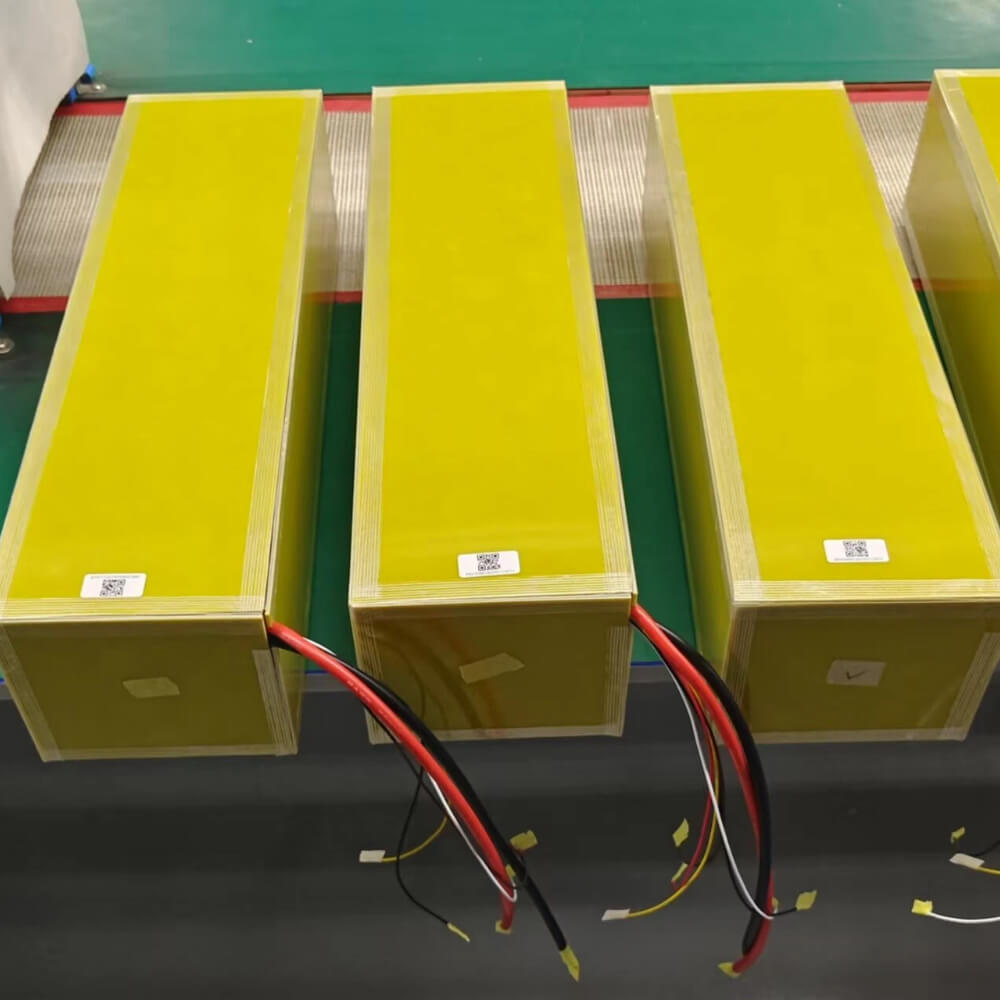
AGV battery pack charging methods vary because different applications have different requirements for charging speed, automation, operating schedules, and investment costs. The three common approaches can be summarized as follows:
These methods address different operational needs and are not necessarily mutually exclusive. For example, an AGV system can combine automatic charging with fast charging to reduce both manual intervention and charging downtime. The following sections examine each method in greater detail.
AGV battery charging methods differ mainly in how the battery is connected, how much human intervention is required, and how quickly energy can be replenished. The following table summarizes the key characteristics and typical applications of the three approaches.
|
|
Manual Plug-In Charging |
Automatic Contact-Based Charging |
Fast Charging |
|
How It Works |
Operator connects the charger manually |
AGV automatically connects to charging contacts |
High-power charger replenishes energy in a short period |
|
Automation Level |
Low |
High |
Medium to high |
|
Human Intervention |
Required |
Minimal or none |
Minimal or none |
|
Charging Speed |
Standard |
Standard |
High |
|
Equipment Cost |
Low |
Medium |
Higher |
|
Battery Impact |
Generally low |
Generally low |
Requires careful charging management |
|
24/7 Operation |
Limited |
Well suited |
Well suited |
|
Typical Applications |
Small fleets and standard shifts |
Automated warehouses and smart factories |
High-intensity, continuous operations |
|
Key Consideration |
Labor availability |
Contact alignment and maintenance |
Battery, charger, and BMS compatibility |
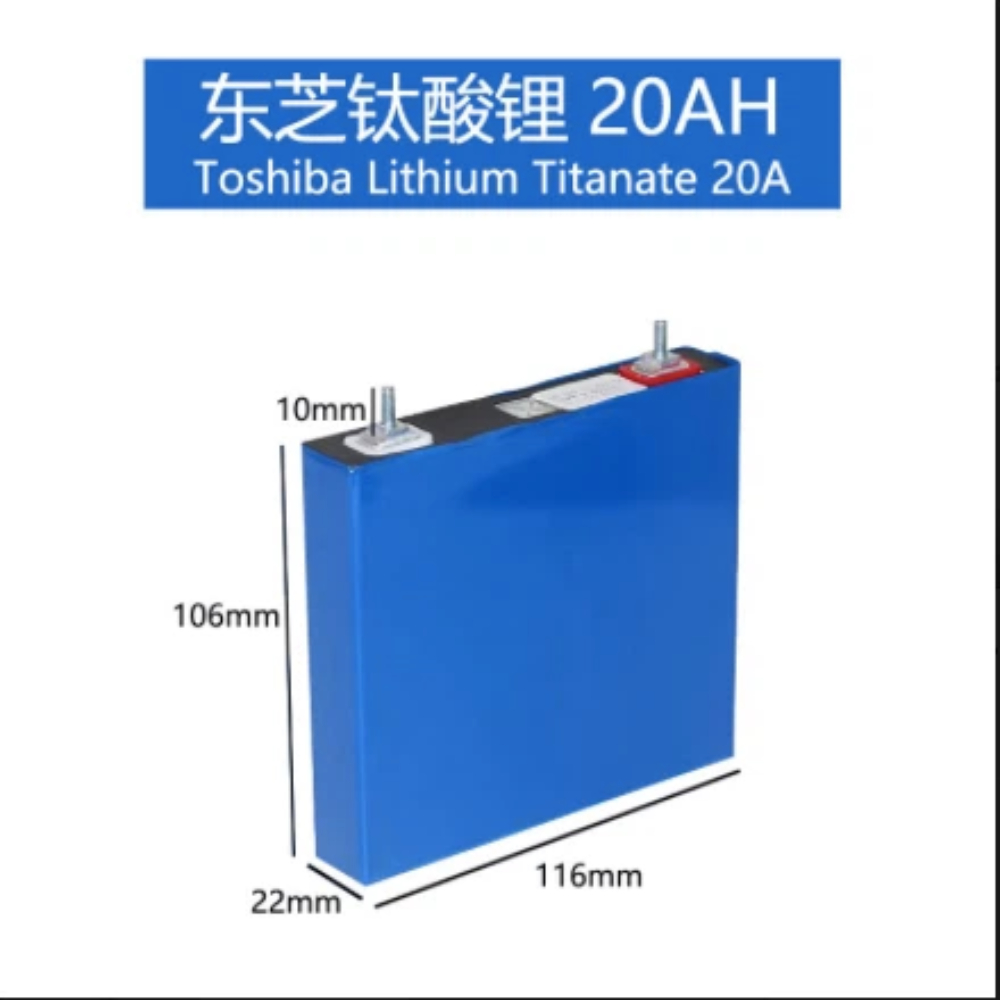
The three charging methods serve different operational needs.
Manual plug-in charging is straightforward and cost-effective, but operators must monitor battery status and manually connect the charger. This makes it suitable for operations where some human intervention is acceptable.
Automatic contact-based charging uses coordinated control between the AGV, charging equipment, and BMS. By monitoring State of Charge (SoC) and exchanging battery data, the system can support more autonomous and continuous operation. It is increasingly used in modern automated facilities.
Fast charging focuses on replenishing energy within short charging windows. Its actual charging rate depends on factors such as battery chemistry, cell specifications, thermal management, charger capability, and BMS settings. It is particularly useful for high-density operations where charging downtime must be minimized.
Selecting an AGV charging method requires more than comparing charging speed. The right solution should match the vehicle's workload, automation goals, AGV battery system, and operating environment.
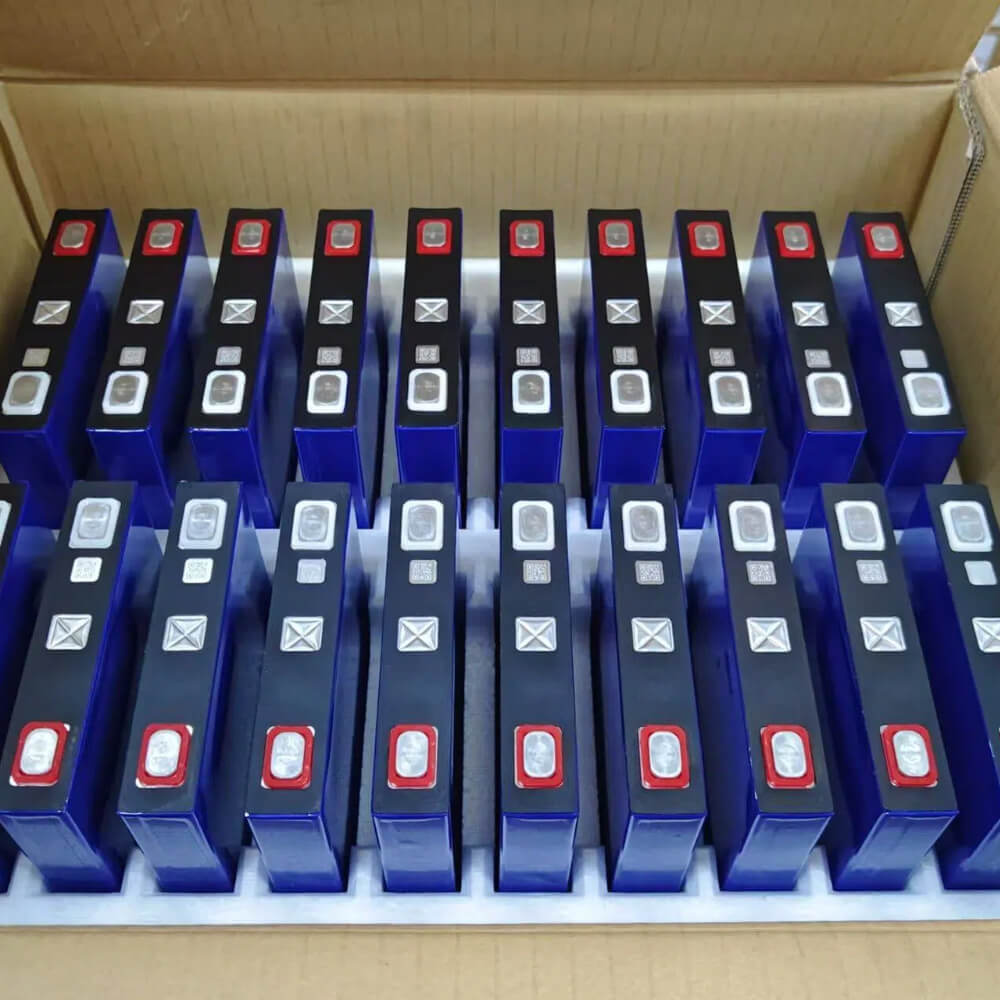
Choosing the right AGV battery charging method is essential for maintaining efficient, reliable, and safe automated operations. Manual plug-in charging remains a practical choice for smaller operations with lower automation requirements, while automatic contact-based charging is well suited to facilities seeking continuous, hands-free operation. Fast charging can help reduce downtime in high-intensity applications with limited charging windows. Rather than treating one method as universally better, businesses should consider fleet size, workload, automation goals, battery requirements, and operating environment when selecting a charging solution.
With the right battery and charging system working together, AGVs can achieve more reliable performance and greater operational flexibility. Vodno Battery provides customized lithium battery solutions based on AGV models, operating conditions, and application requirements. If you are looking for a suitable AGV battery and charging solution, contact Vodno Battery for professional consultation and a free quote.


 YouTube
 Facebook
 Linkedin