
Lithium battery professional builder
An uninterruptible power supply (UPS) protects critical equipment from power interruptions in data centers, healthcare facilities, industrial operations, and commercial environments. While the UPS system is designed to provide reliable backup power, its battery is one of the most critical components affecting backup performance. When the battery loses capacity or fails unexpectedly, the UPS may not provide the runtime required during a power outage.
So, how long do UPS batteries typically last, and when should they be replaced? For many conventional UPS systems using VRLA batteries, a typical replacement interval is around 3 to 5 years, although actual service life varies with temperature, discharge frequency, charging conditions, maintenance, and other operating factors. Reaching this timeframe does not automatically mean a battery has failed, but it is an important point for facility managers to assess battery health.
This guide explains the main factors that affect UPS battery life, identifies common warning signs of battery degradation, and discusses when replacement may be more appropriate than continuing to operate an aging battery.
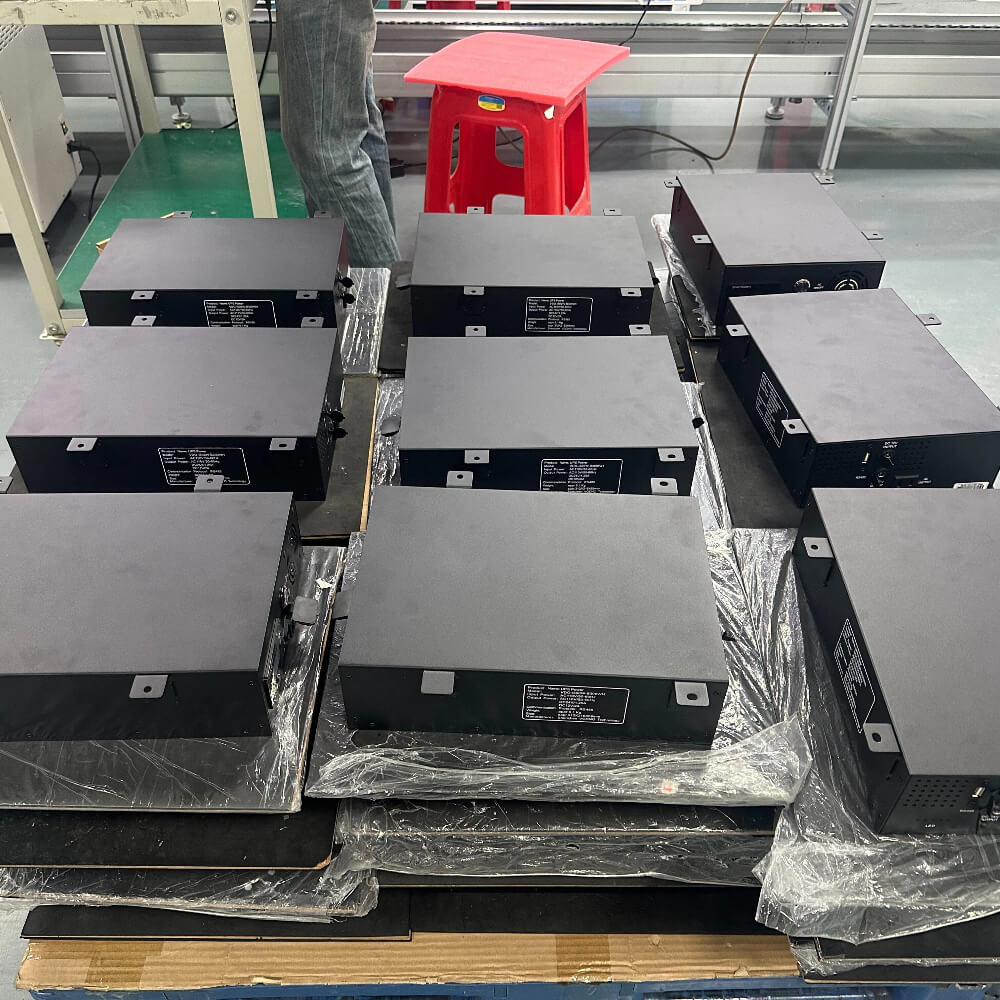
UPS systems use different battery technologies, and their expected service life and maintenance requirements can vary significantly. Understanding which type of battery your UPS uses is therefore essential for estimating its replacement interval and planning maintenance.
Valve-Regulated Lead-Acid (VRLA) batteries remain one of the most widely used UPS battery technologies because they offer reliable performance and relatively low upfront costs.
Design life: Common ratings include 5, 10, 12, or 15 years.
Lithium-ion batteries are increasingly used in UPS applications because they offer higher energy density, lower weight, and a more compact footprint. They can also provide faster recharge and potentially longer service life than conventional VRLA batteries.
Nickel-zinc is a newer UPS battery technology that offers high power density and can use established lead-acid recycling infrastructure. Its expected service life is commonly rated at around 10-15 years, depending on the application and operating conditions.
A battery's design life represents its expected performance under defined conditions, but actual service life can vary considerably. Facility managers should evaluate the following factors when estimating how long a UPS battery pack may remain reliable.
|
Factor |
What to Monitor |
Potential Impact |
|
Temperature |
Keep the battery within the manufacturer's recommended temperature range |
Excessive heat accelerates aging and reduces capacity |
|
Discharge Depth & Frequency |
Track power interruptions and battery-mode events |
Repeated deep discharges increase battery stress and wear |
|
Charging & Discharging |
Verify charging voltage, temperature compensation, and system calibration |
Improper charging can accelerate degradation and reduce available capacity |
|
Maintenance & Monitoring |
Perform regular battery tests and monitor module condition |
Early degradation may go undetected without routine checks |
For battery systems using multiple modules, consistent monitoring is especially important because a weak module can affect the performance of the overall battery string.
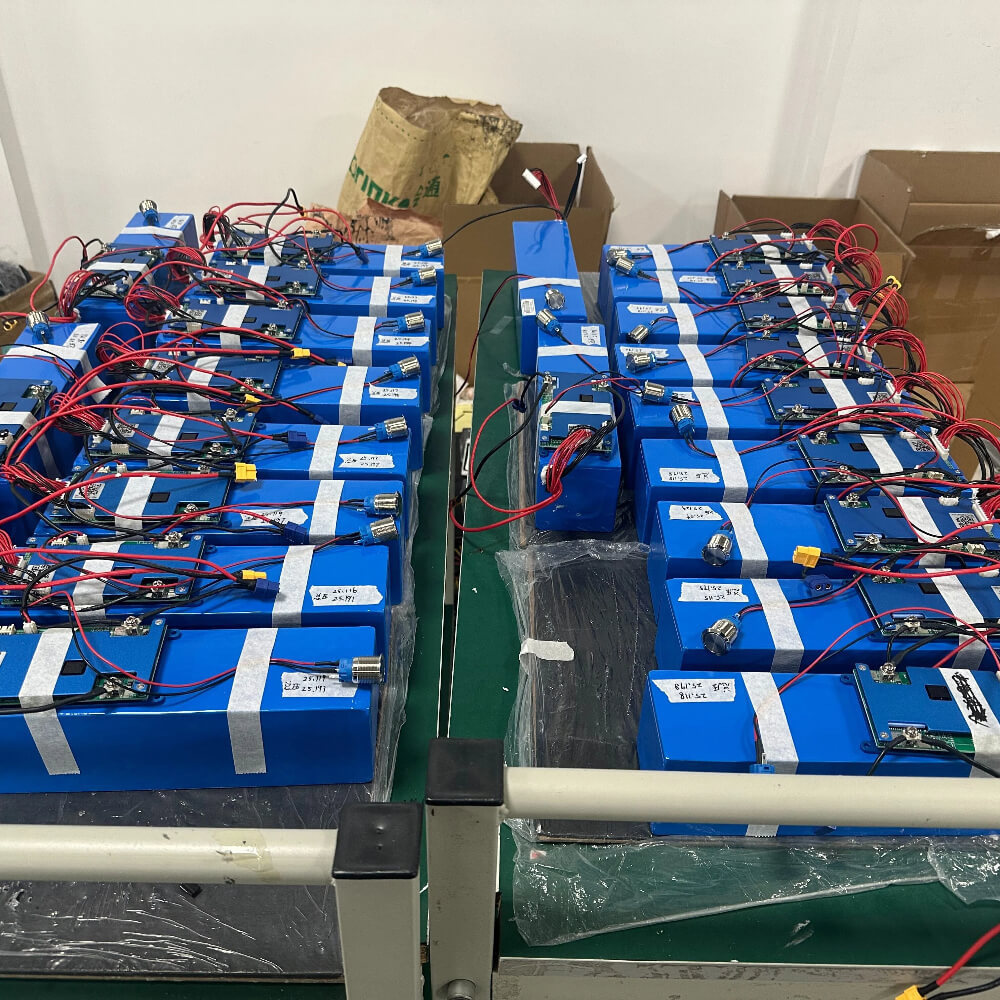
There is no universal replacement date for every battery pack for UPS because service life depends on battery chemistry, operating conditions, and maintenance. As a general guideline:
VRLA batteries: Often replaced every 3-5 years in typical UPS applications.
Lithium-ion batteries: Can often provide 10+ years of service, depending on the battery design and operating conditions.
In addition to age, facility managers should watch for signs that indicate declining battery health:
These signs can help identify battery problems before an actual power outage exposes the failure.
Replacing a UPS battery involves more than removing an old battery and installing a new one. The replacement must be compatible with the UPS system and handled correctly to maintain reliable backup performance. Professional support can help reduce installation risks and identify potential problems before they affect critical equipment.
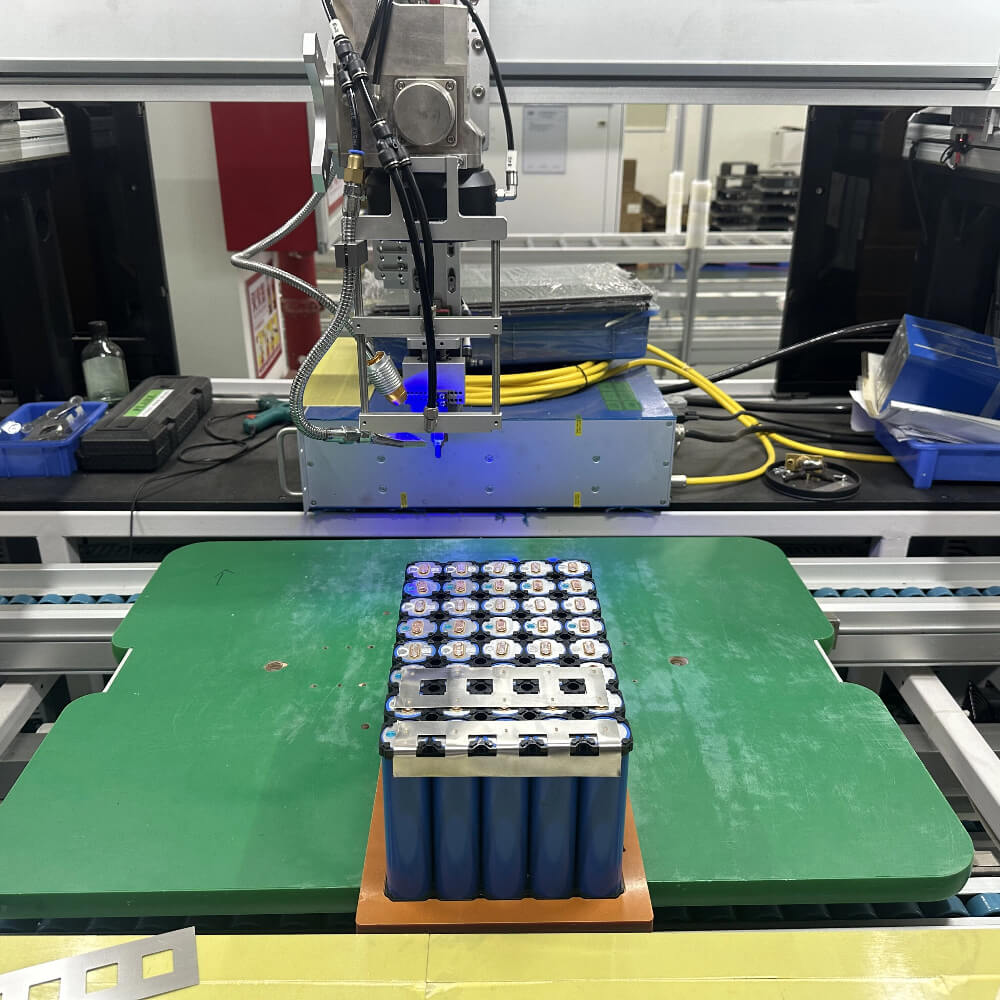
Correct battery matching: Selecting the appropriate battery type, voltage, capacity, and configuration helps ensure compatibility with the UPS.
Safe and compliant handling: Used batteries should be handled, transported, and recycled according to applicable safety and environmental requirements.
System testing: After replacement, the UPS and battery system should be checked to verify charging, backup performance, and overall operation.
Warranty protection: Following the UPS manufacturer's recommended replacement procedures can help avoid potential warranty issues associated with improper installation.
There is no one-size-fits-all replacement schedule for UPS batteries. VRLA batteries are commonly replaced every 3-5 years, while lithium-ion batteries can often provide 10+ years of service, depending on their design and operating conditions. Temperature, discharge frequency, charging practices, and maintenance all affect actual battery life. Rather than relying on age alone, facility managers should monitor battery condition, perform regular testing, and respond promptly to warning signs to maintain reliable backup performance.
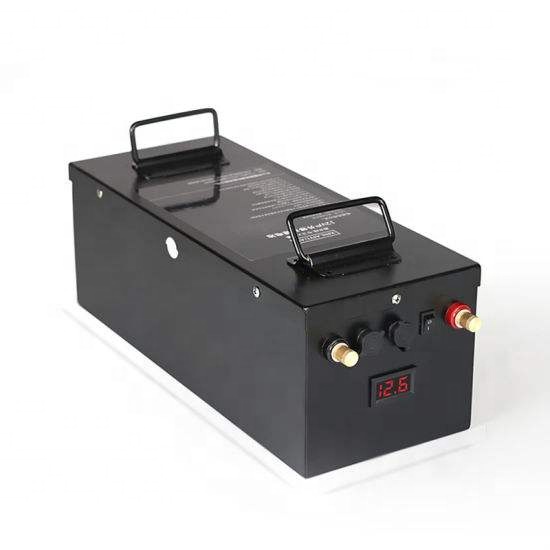
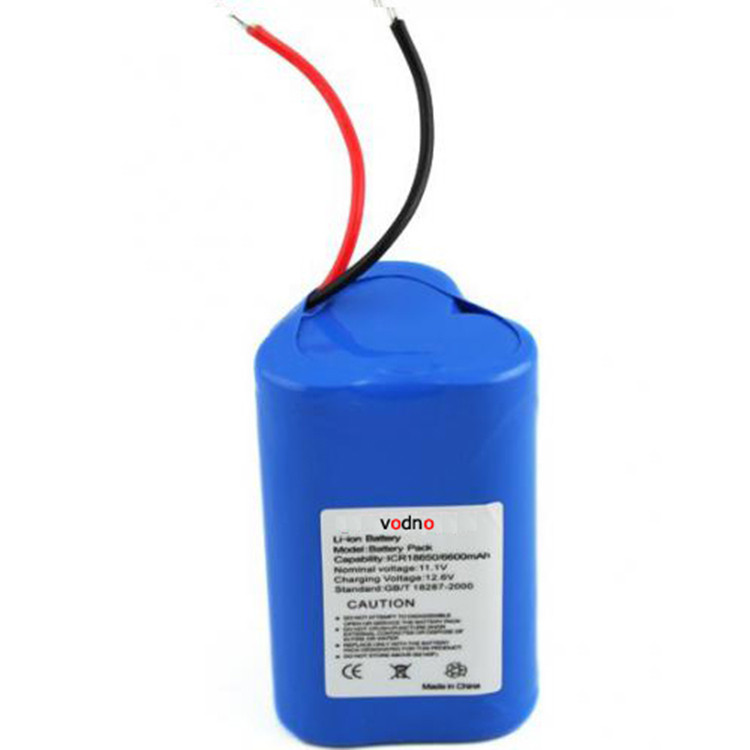
When replacement is needed, choosing the right battery is just as important as choosing the right replacement time. Vodno Battery provides customized battery solutions based on UPS models, power requirements, and operating conditions. With expertise in battery design, engineering, manufacturing, and quality control, Vodno can help customers identify a suitable UPS battery replacement solution. Contact Vodno Battery for professional consultation and a free quote.


 YouTube
 Facebook
 Linkedin