
Lithium battery professional builder
When a power outage occurs, a UPS is expected to keep critical equipment running long enough to continue operations. However, the actual backup runtime depends heavily on the condition of its battery. As batteries age, their capacity and performance gradually decline, which can reduce the amount of backup power available .
Several factors can accelerate battery aging, including high temperatures, frequent discharge cycles, excessive discharge, improper charging, and insufficient maintenance. Extending UPS battery life requires more than regular charging. It involves managing temperature, charging, discharge, load, storage, and battery condition throughout the battery's service life.
This article explores the key factors that affect UPS battery lifespan and practical ways to manage them.
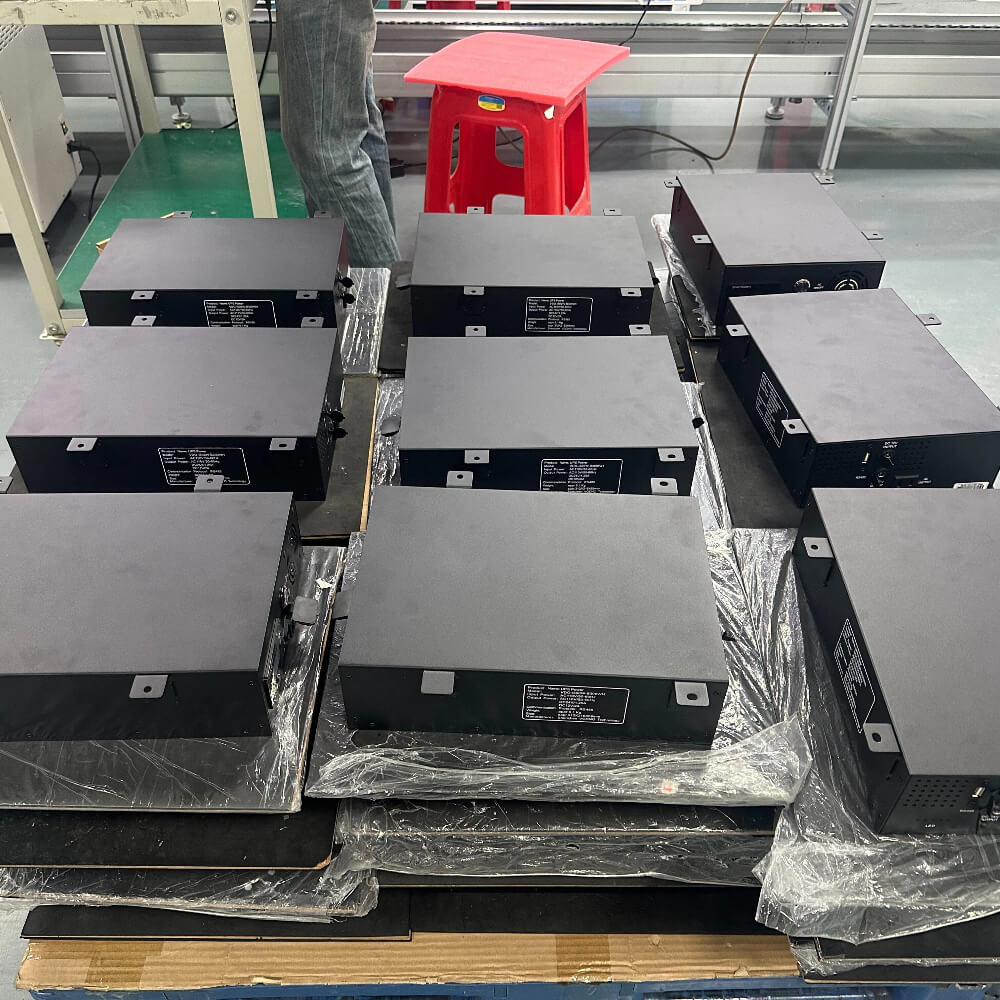
Battery chemistry is an important factor in UPS battery life. Lead-acid and lithium-ion batteries differ in cycle life, temperature tolerance, maintenance requirements, and overall aging characteristics. The right chemistry depends on the UPS application, operating conditions, and required service life, as no single battery type is ideal for every system.
Temperature also has a significant impact on battery aging. Both excessively high and low temperatures can lead to a decline in battery performance. Adequate ventilation and effective heat dissipation help maintain more stable operation and delay premature battery aging.
Frequent power interruptions increase the number of battery cycles, while repeated deep discharge can place additional stress on the cells and reduce long-term performance.
Battery life is also influenced by charging conditions, periods of inactivity, storage temperature, and storage state of charge.
Understanding these factors is the first step; the next question is how to manage them in daily operation.
The operating environment plays an important role in maintaining UPS battery performance. UPS systems generate heat during operation and charging, making effective airflow essential for stable performance. At the same time, excessive humidity, dust accumulation, and poor terminal conditions may affect battery reliability over time.
|
Environmental Factor |
Key Considerations |
|
Temperature |
Avoid heat sources, direct sunlight, and unstable temperature conditions |
|
Ventilation |
Keep airflow around the UPS and prevent blocked cooling areas |
|
Cleanliness |
Reduce dust, moisture, and conditions that may cause corrosion |
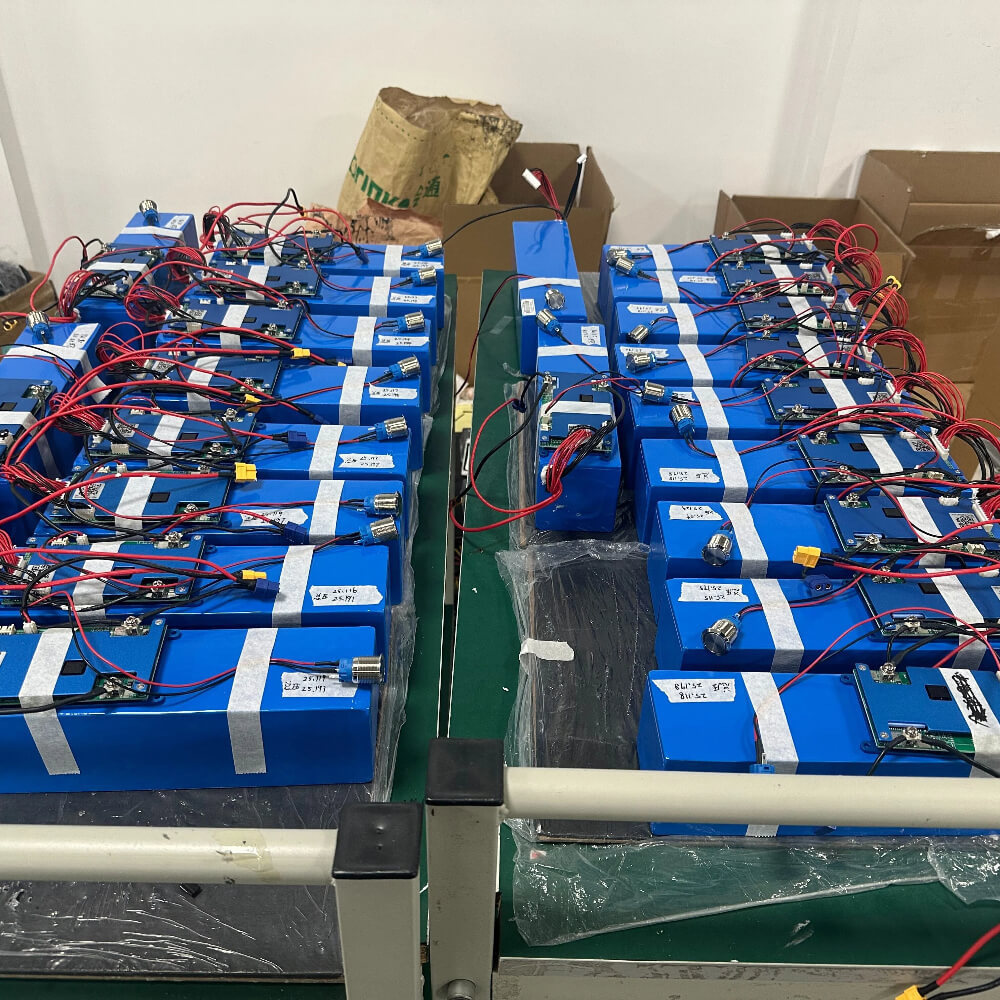
Proper charging and usage habits are equally important for maintaining UPS battery performance. Battery aging is not only related to the operating environment, but also closely related to the UPS load, discharge, and charging methods.
|
Practice |
Key Considerations |
|
Load Management |
Keep connected equipment within the UPS rated capacity |
|
Battery Cycling |
Reduce unnecessary switches to battery mode |
|
Discharge Control |
Avoid prolonged low state of charge and deep discharge |
|
Charging |
Match voltage, current, charger, and battery conditions |
During power outages, UPS overload operation can deplete battery power more quickly and increase system stress. Therefore, frequent battery cycling due to unstable power conditions should be carefully investigated. Furthermore, charging should be managed according to the battery system's requirements, rather than simply keeping it fully charged, to ensure a longer lifespan.
Key indicators that should be monitored regularly include battery voltage, charging status, standby time, alarm information, and battery temperature. Long-term tracking of these parameters helps identify battery degradation before its performance is affected.
Periodic testing can provide a more complete assessment of battery condition. Depending on the UPS system and battery type, testing may include routine performance checks, backup runtime tests, and internal resistance or impedance measurements. Testing methods and frequency should follow the equipment and battery manufacturer's recommendations.
Early warning signs should also be taken seriously, including:
Proper storage and routine maintenance are important, especially when UPS batteries remain unused for extended periods. Batteries should be kept in a cool, dry environment, away from direct sunlight and extreme temperatures, with an appropriate charge level based on the battery chemistry and manufacturer's recommendations.
Battery connections also require attention. Inspect terminals for corrosion, looseness, or other visible issues, and keep battery compartments clean and dry. Poor connections can increase electrical resistance and affect UPS performance.
A maintenance routine can include:
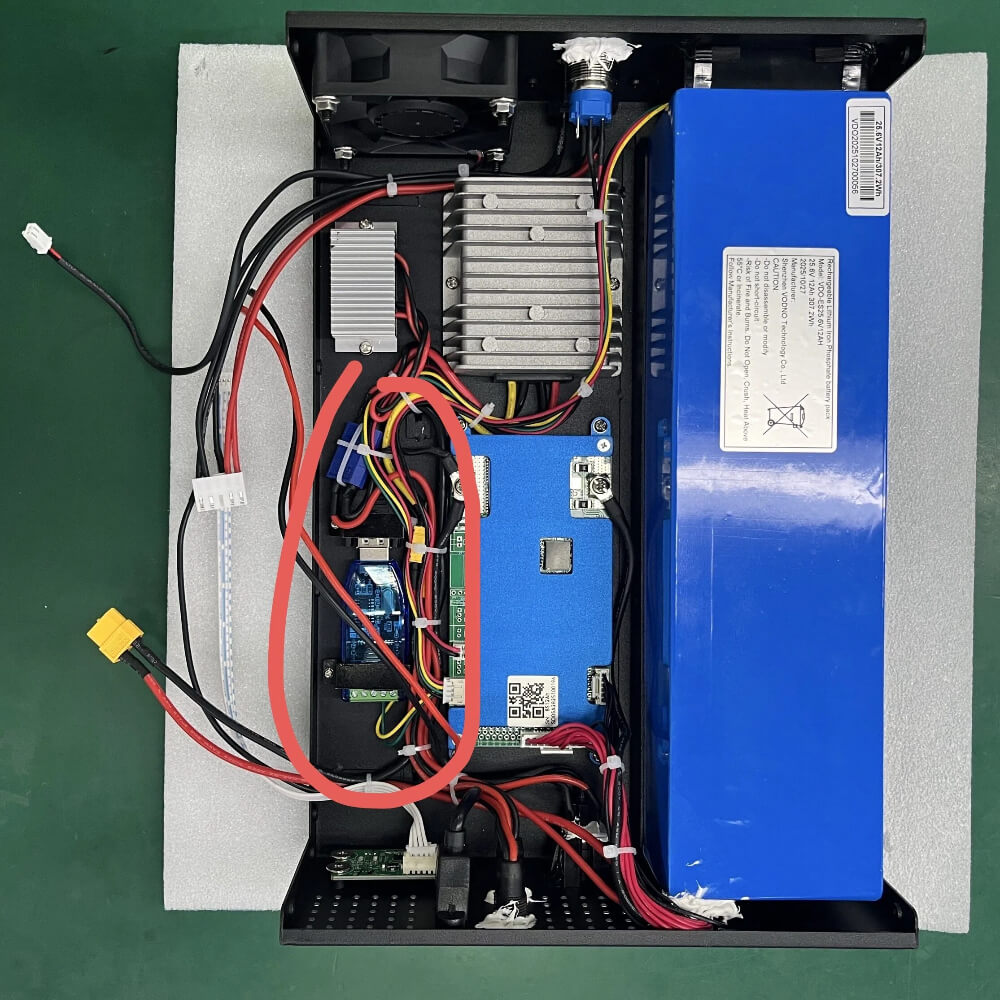
The UPS battery pack may need to be replaced if any of the following conditions occur:
Battery chemistry, usage frequency, operating temperature, discharge history, maintenance conditions, and actual battery performance can all influence service life. Instead of following a fixed replacement interval, users should consider both the battery's age and its measured condition to determine when replacement is appropriate.
When selecting a replacement, compatibility is essential. The new battery should match the UPS system in terms of chemistry, voltage, capacity, dimensions, connector configuration, and electrical compatibility. A replacement battery should therefore be selected for the complete UPS system.
Suitable environmental conditions, proper charging, controlled discharging, appropriate load management, regular monitoring, and preventative maintenance all help ensure UPS battery uptime, delay premature battery aging, and reduce the frequency and cost of battery replacement.
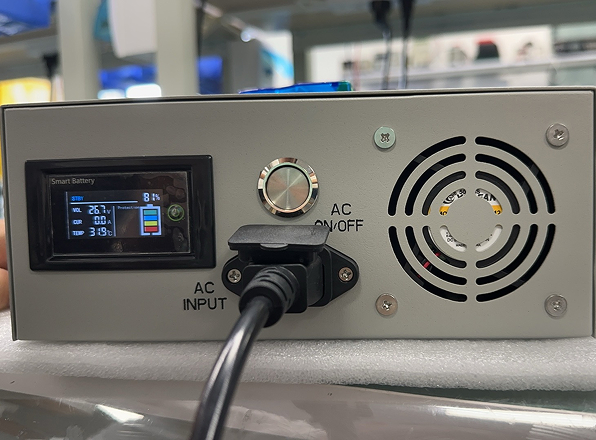
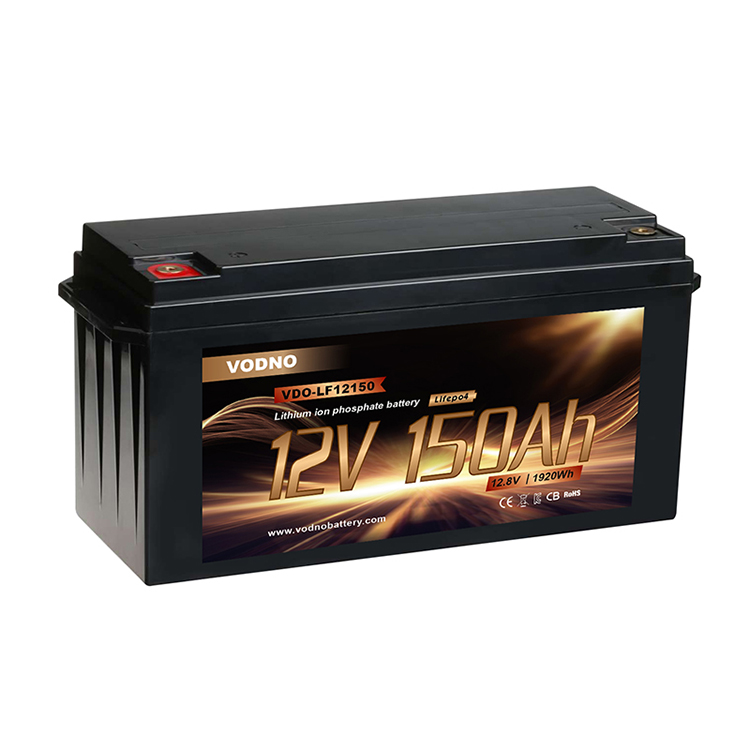
For companies sourcing UP batteries or other custom lithium batteries, a reliable partner is crucial. Founded in 2010, Vodno Battery has evolved from a lithium battery manufacturer into a comprehensive battery technology company integrating product design and development, battery solution engineering, electronic circuit design, battery manufacturing, and strict quality control. With an experienced technical team and customers in over 20 countries and regions, Vodno provides custom battery solutions that meet CE, RoHS, and UN requirements. Contact Vodno Battery to discuss your battery needs.


 YouTube
 Facebook
 Linkedin