
Lithium battery professional builder
When an uninterruptible power supply (UPS) battery runs low, but its original charging equipment is unavailable, a car battery charger may seem like a convenient alternative. However, connecting the two devices without checking their specifications can create problems.
Whether a car charger can charge a UPS battery depends on the battery chemistry, voltage, current limits, and charging method. Some chargers may work with compatible lead-acid batteries, while others are unsuitable for lithium-based systems. Incorrect charging can cause overheating, overcharging, or permanent battery damage.
Understanding these differences helps users choose a suitable charging method. This article explains charger compatibility, compares UPS and car batteries, examines potential risks, and introduces safer charging solutions.
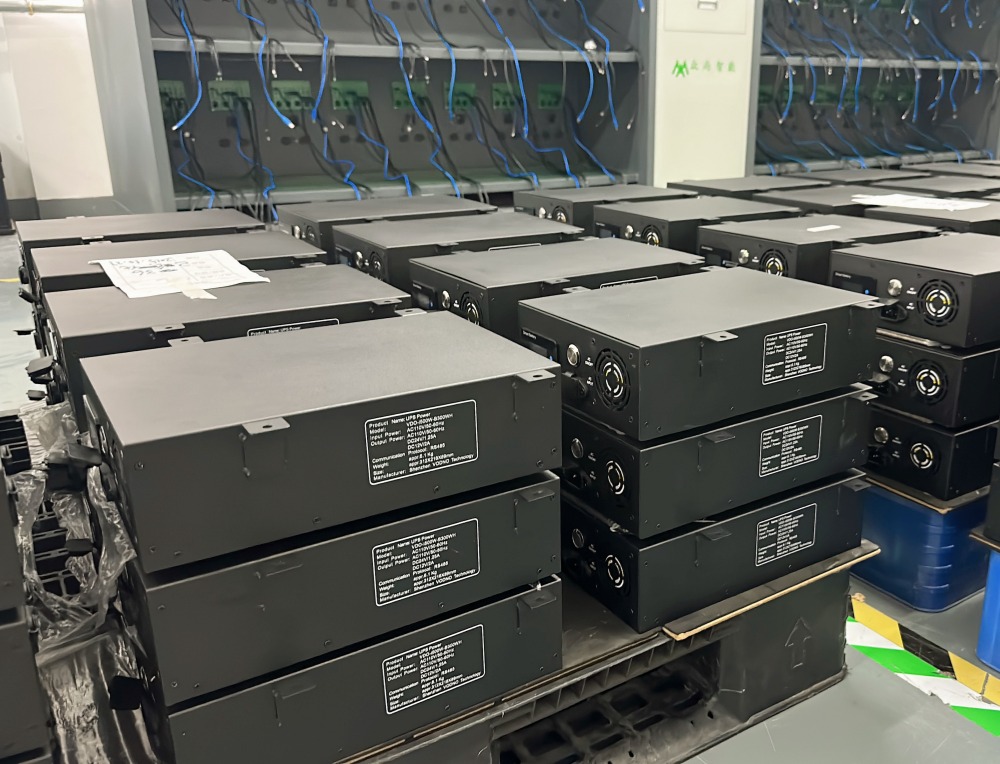
A car charger may charge certain UPS batteries, but compatibility must be confirmed before connection. The battery's chemistry and electrical specifications determine which charging equipment is appropriate.
Check the Battery Chemistry
Check the Charger Specifications
Before using any alternative charger, verify that:
A matching connector or nominal voltage does not guarantee compatibility. Always consult the battery datasheet and manufacturer instructions. If the charging requirements are unclear, use the recommended charger instead.
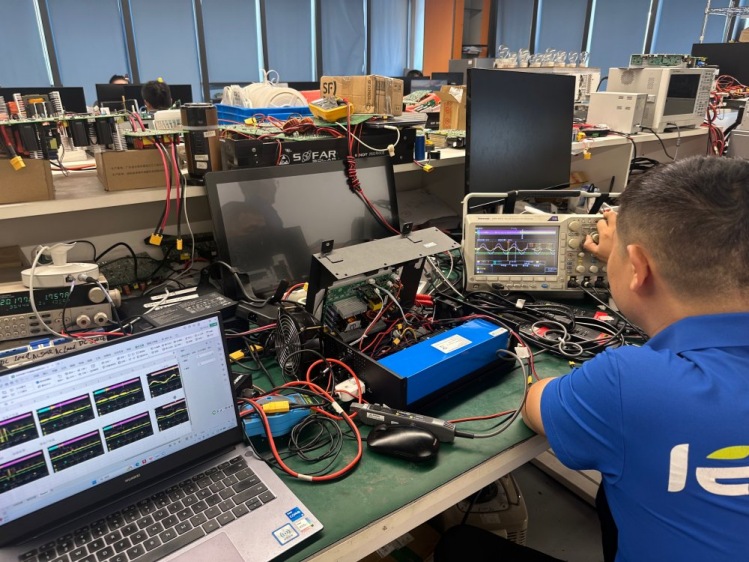
Car batteries and UPS batteries serve different purposes, which affects their construction, discharge characteristics, and charging requirements. These differences explain why a charger designed for a vehicle may not suit every UPS battery.
|
Comparison |
Car Starting Battery |
UPS Battery |
|
Main purpose |
Provides high current to start an engine |
Supplies backup power during outages |
|
Common types |
Lead-acid starting batteries |
VRLA, AGM, Gel, or LiFePO4 |
|
Discharge pattern |
Short bursts of high current |
Backup power according to system demand |
|
Charging requirements |
Designed for automotive charging systems |
Depend on battery chemistry and specifications |
|
Design priority |
Starting performance |
Reliable backup power and cycle performance |
Car starting batteries are optimized for brief, high-current output and are generally unsuitable for frequent deep discharges. A UPS battery pack, in contrast, supports backup operation and may use either lead-acid or lithium chemistry.
For example, a Vodno Battery LiFePO4 UPS battery has a nominal voltage of 25.6V and a capacity of 12Ah. Its maximum charging voltage is 29.4V, and its maximum charging current is 20A. These limits illustrate why the charger's specifications must match the actual battery.
Using an incompatible charger can affect battery performance and create safety concerns. The main risks involve electrical parameters, charging control, and operating conditions.
Excessive charging voltage can cause overcharging, while excessive current may increase battery temperature or activate its protection system. Insufficient output can also result in slow charging or prevent the battery from reaching full capacity.
Lead-acid batteries commonly use controlled charging stages, including bulk, absorption, and float charging. LiFePO4 batteries follow different charging requirements. Applying an unsuitable charging profile may reduce battery performance and service life.
Prolonged overcharging can cause excessive heat and gas release in lead-acid batteries, potentially leading to electrolyte loss or pressure buildup. For lithium batteries, unsuitable charging conditions may trigger the battery management system (BMS). Repeatedly exceeding operating limits can also damage battery components.
Damaged batteries, loose connections, and unsuitable charging equipment increase the risk of electrical faults. Lead-acid batteries should be charged in well-ventilated areas, away from sparks and open flames. Stop charging immediately if the battery swells, produces an unusual smell, or becomes abnormally hot. Never leave an improvised charging setup unattended.
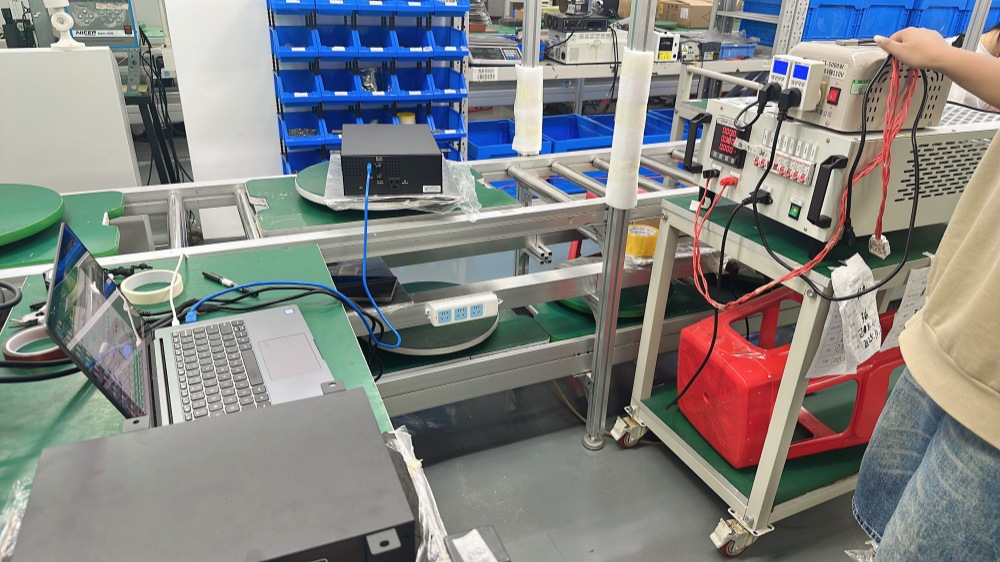
Choosing compatible equipment and following the battery manufacturer's specifications are the most reliable ways to charge a UPS system. The following measures can help prevent charging problems.
Choose a charger designed for the specific battery type. VRLA, AGM, and Gel batteries require compatible lead-acid charging settings, while LiFePO4 batteries need a suitable lithium charging profile. Check the manufacturer's recommendations before purchasing or replacing a charger.
Check the battery's nominal voltage, maximum charging voltage, and maximum charging current. For example, the Vodno Battery 25.6V, 12Ah LiFePO4 battery supports a maximum charging voltage of 29.4V and a maximum charging current of 20A. Its charger must remain within these limits.
A suitable BMS adds another layer of battery protection. Vodno Battery UPS batteries feature intelligent BMS protection against overcharging, over-discharging, overcurrent, short circuits, and excessive temperature. Optional RS485 and CAN interfaces support battery status monitoring. However, BMS protection does not replace a compatible charger or correct charging settings.
If a battery is damaged, deteriorating, or unable to charge normally, replacing it may be more appropriate than repeatedly testing alternative chargers. A compatible battery pack for UPS applications should match the system's voltage, capacity, charging method, and installation requirements.
Vodno Battery offers custom battery packs with configurable voltage, capacity, dimensions, terminal layouts, and enclosure designs. Its engineering team can also evaluate communication interfaces and optional built-in inverter configurations to suit specific UPS applications.
Charging a UPS battery with a car charger is possible only when the charger supports the battery's chemistry and meetsf its voltage and current requirements. An incompatible charging method can cause overheating, overcharging, reduced battery life, and safety problems. Using a dedicated charger and replacing damaged batteries are more reliable options.
Vodno Battery has developed battery solutions for customers in more than 20 countries and regions, supported by integrated engineering, manufacturing, and quality control capabilities. If you need a suitable UPS battery configuration, contact Vodno Battery with your system model, voltage, capacity, and application requirements to discuss a customized solution.


 YouTube
 Facebook
 Linkedin