
Lithium battery professional builder
Power outages can interrupt servers, cause data loss, disable security systems, and disrupt industrial controls. A UPS battery pack provides backup power when the main supply fails, helping connected equipment continue operating or shut down safely. However, the available backup time varies depending on battery capacity, connected load, and system efficiency.
Two factors are important when evaluating UPS batteries: runtime and lifespan. UPS battery runtime refers to how long a battery can power connected equipment during an outage, while UPS battery lifespan describes how many years the battery can remain suitable for use. These are related but distinct measures of battery performance.
This article explains typical UPS runtime during power outages, the factors that affect it, and how to estimate backup time. It also covers battery lifespan, maintenance considerations, and signs that a UPS battery needs replacement or an upgrade.
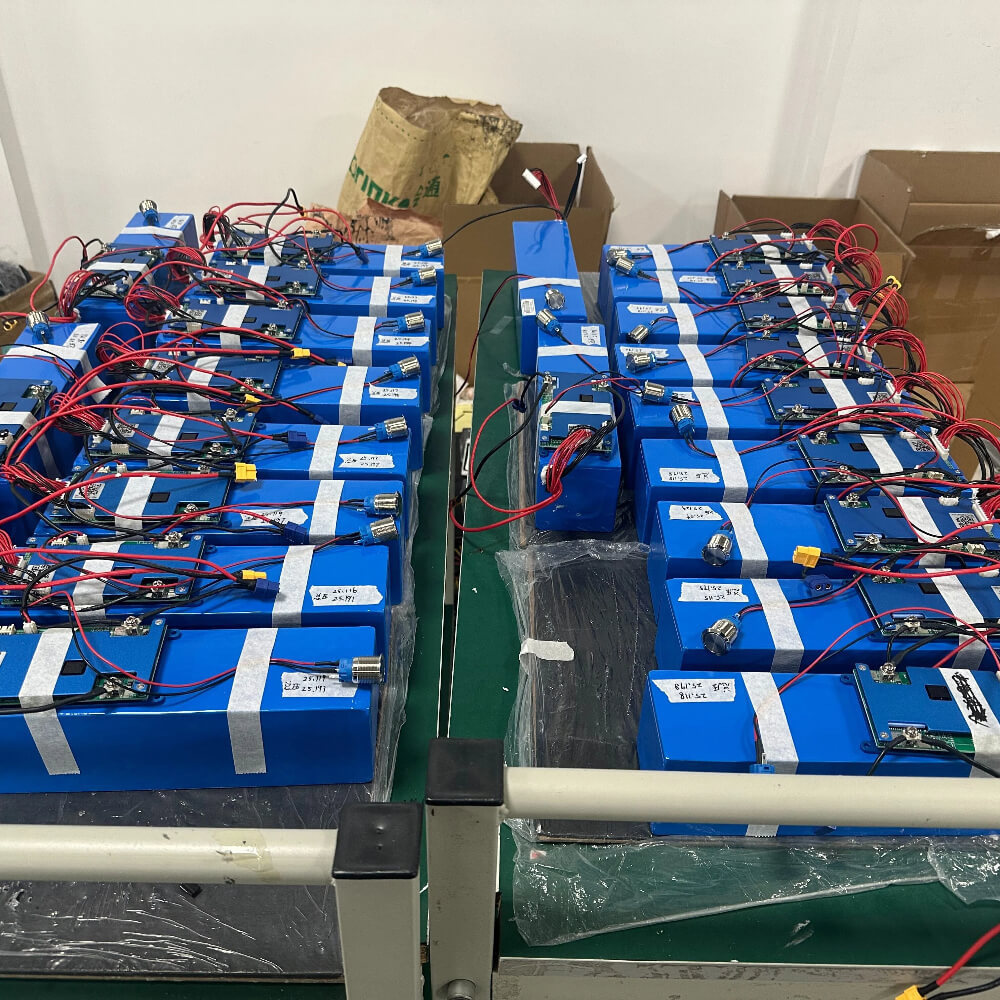
A UPS battery may provide backup power for a few minutes or several hours, depending on the available battery energy, connected load, inverter efficiency, and battery condition. Its primary role is to bridge short outages, support safe shutdowns, or keep critical equipment running until a generator starts.
|
Equipment / Setup |
Load |
Estimated Runtime |
|
Router and network switch |
50–100 W |
20–60 min |
|
Small office or security system |
300–500 W |
10–40 min |
|
Server and network equipment |
800–1,200 W |
5–30 min |
|
Critical equipment with external batteries |
1–2 kW |
Tens of minutes to hours |
These figures are illustrative only. Actual runtime varies by UPS model and operating conditions. An ups external battery pack can extend backup time by adding storage capacity, provided the UPS supports the battery configuration. Check the manufacturer's runtime curves or calculator for a more reliable estimate.
Battery energy is estimated as Wh = V×Ah. Higher usable capacity generally extends runtime, while heavier loads drain the battery faster. Prioritize essential equipment, such as servers, network devices, and control systems.
Transfer behavior, conversion efficiency, and external battery support vary by model.
Aging reduces usable capacity. High temperatures accelerate degradation, while low temperatures can reduce available power. Depth of discharge (DoD), low-voltage cutoffs, and battery management system (BMS) settings also affect usable energy. Follow the battery manufacturer's limits.
Check both real power (W) and apparent power (VA). Startup surges from motors, pumps, or other equipment can exceed UPS capacity, even when normal demand appears acceptable. Runtime ultimately depends on the complete system, not UPS type alone.
To estimate runtime, use the battery voltage and capacity of a battery pack for ups, along with the load and system efficiency.
Battery energy (Wh) = Voltage (V)×Capacity (Ah)
Runtime (hours) ≈ (Battery Wh×Usable DoD×Efficiency)÷Load (W)
Where:
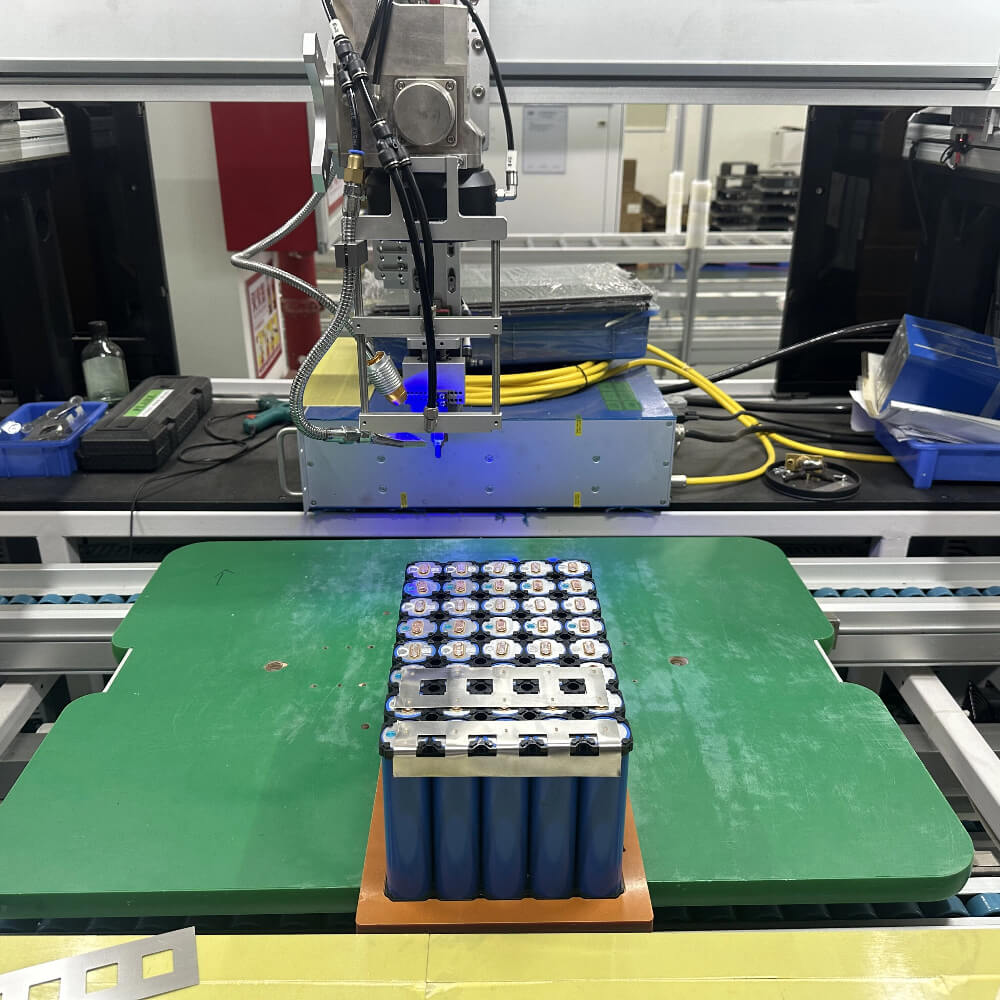
For a 12 V, 100 Ah battery powering a 300 W load, assuming 80% usable capacity and 90% efficiency:
Runtime ≈ (12×100×0.8×0.9)÷300=2.88 hours
This is a simplified estimate. Battery age, changing loads, discharge rates, and cutoff settings can affect actual runtime. For more reliable results, consult the UPS manufacturer's runtime curves.
Typical Lifespan
|
Battery Chemistry |
Typical Service Life |
|
Flooded lead-acid |
3–5 years |
|
AGM / sealed lead-acid |
3–6 years |
|
NMC / NCA lithium-ion |
5–7 years |
|
LiFePO4 |
8–10+ years |
These ranges are estimates, not guarantees. Actual service life depends on battery specifications, temperature, charging habits, discharge frequency, and maintenance.
Runtime vs. Lifespan
As batteries age, their usable capacity typically declines, reducing backup time. Battery health (SOH) readings and discharge records can help track performance, but no single SOH threshold applies to every UPS battery.
Maintaining Performance
Keep batteries within the manufacturer's recommended temperature range, follow charging requirements, and perform regular self-tests or runtime checks. These practices help identify declining performance before backup power becomes unreliable.
Consider inspection or replacement if you notice:
A runtime drop of 20–30% can prompt further checks, but it is not a universal replacement threshold. Handle damaged batteries according to manufacturer safety instructions.
A compatible replacement using the existing chemistry may minimize system changes. LiFePO4 may suit frequent cycling, but compatibility must be confirmed before upgrading. Compare total cost, expected lifespan, maintenance, and downtime.
Before ordering an ups replacement battery pack, verify:
Never assume a higher-capacity battery or different chemistry will work with every UPS.

UPS battery runtime depends on available energy, connected load, system efficiency, and battery condition. Battery lifespan is a separate measure, reflecting how long the battery remains suitable for use. To maintain reliable backup power, calculate essential loads, test actual runtime, monitor battery performance, and plan replacements before the existing battery can no longer meet operational needs.
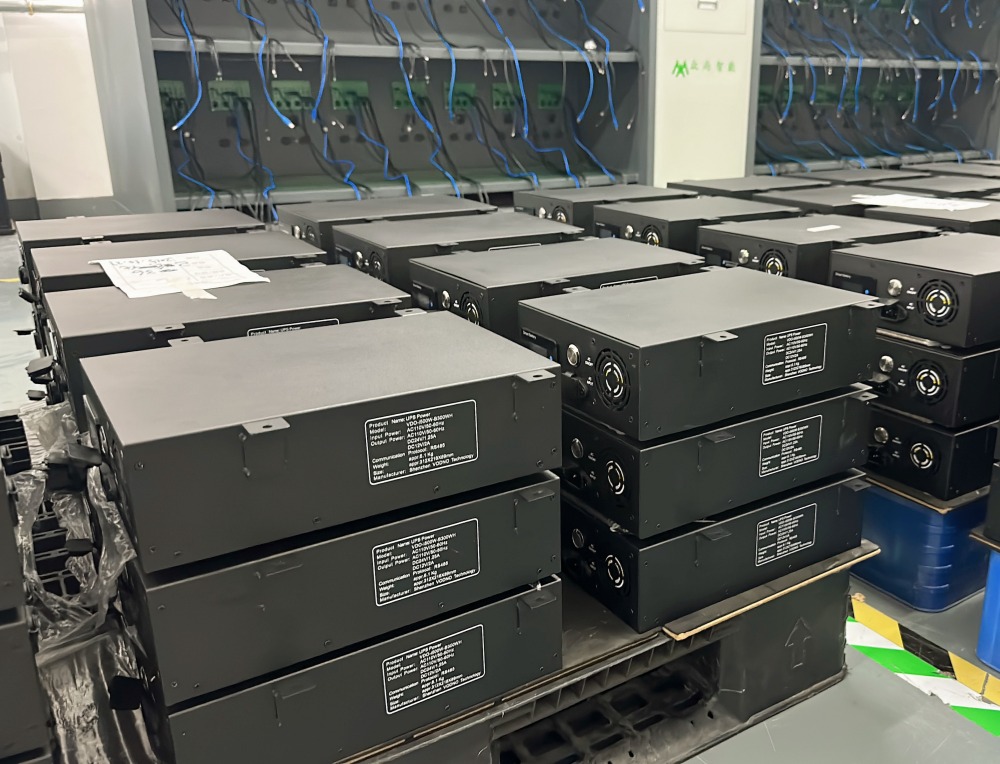
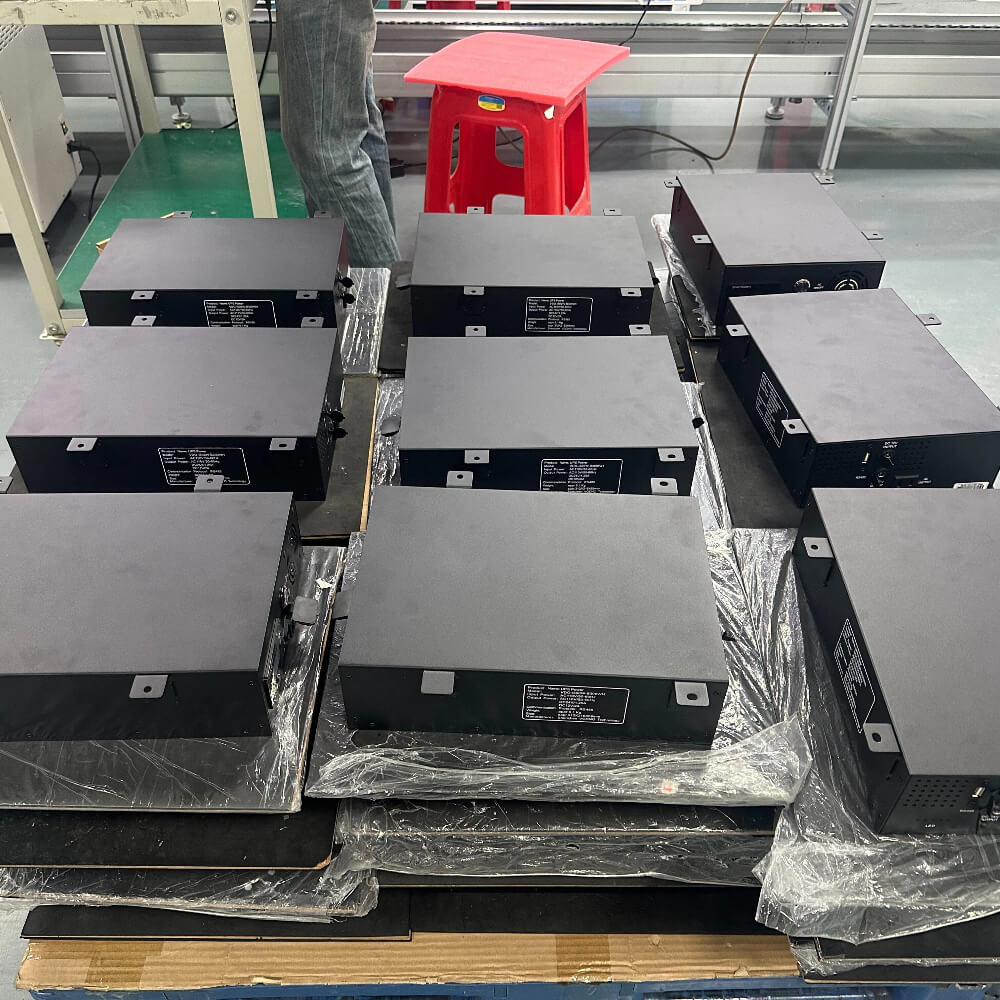
Vodno Battery provides battery design and development, battery solution engineering, electronic circuit design, and manufacturing capabilities. Whether you need a replacement battery pack or a customized solution, the right configuration starts with your UPS specifications and backup requirements. Contact Vodno Battery to discuss your application and evaluate a suitable battery solution.

 YouTube
 Facebook
 Linkedin