
Lithium battery professional builder
AGV and AMR fleets depend on reliable battery performance to maintain uptime and control operating costs. The service life of AGV batteries directly affects maintenance schedules, replacement budgets, and the return on investment in automated material handling. Understanding how long a battery pack can last helps businesses plan replacements before declining performance disrupts daily operations.
However, there is no fixed lifespan for every AGV battery pack. Battery chemistry, workload, operating shifts, charging frequency, temperature, and battery management all influence how long a pack remains effective. Lead-acid, AGM, NMC, and LiFePO4 batteries can have significantly different service lives under the same operating conditions.
This article compares typical battery lifespans, explains the factors that accelerate aging, and explores how to estimate remaining service life. It also covers replacement indicators and key considerations when deciding whether to retain the existing battery chemistry or upgrade to LiFePO4.
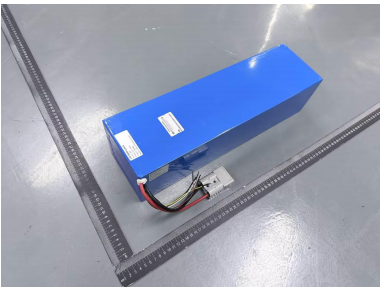
An AGV battery pack typically lasts 3-10+ years, depending on its chemistry, operating conditions, and charging habits. The following ranges provide initial estimates rather than guaranteed service life.
|
Battery Chemistry |
Calendar Life |
Cycle Life |
|
Flooded lead-acid |
3-5 years |
300-500 cycles |
|
AGM / sealed lead-acid |
3-6 years |
400-700 cycles |
|
NMC / NCA lithium-ion |
5-7 years |
1,500-3,000 cycles |
|
LiFePO4 |
8-10+ years |
2,000-6,000 cycles |
These figures vary with depth of discharge (DoD), temperature, charging strategy, and manufacturer test conditions. Check the specific battery datasheet and warranty for applicable limits.
Calendar life measures aging over time, while cycle life counts charge-discharge cycles until a defined end-of-life threshold. Low-use AGVs may age out by time, whereas multi-shift fleets may reach cycle limits sooner. A rating of 2,000 cycles at 80% DoD applies only under its specified test conditions.
State of Health (SOH) compares a battery's condition with that of a new pack. Capacity loss and rising internal resistance can reduce runtime. Around 80% of original usable capacity is a useful point for assessment and budget planning, not a universal replacement rule.1
An AGV battery's service life depends on workload, environment, charging habits, and pack design. These factors often interact, so actual lifespan varies between fleets.
Single-shift, light-load AGVs generally cycle less frequently than multi-shift vehicles carrying heavy loads. Frequent acceleration, long operating hours, and deep discharges can increase battery stress, depending on the chemistry.
High temperatures accelerate aging, while low temperatures can reduce available capacity and charging acceptance. Cold-storage AGVs need batteries rated for the intended conditions. Vibration, dust, moisture, and impacts may also affect connections, enclosure integrity, and heat dissipation.
AGV battery charging affects both cycle life and daily availability. Opportunity charging can replenish energy between tasks, provided the battery and charger support it. Avoid unsuitable charging currents, excessive heat, and prolonged storage at inappropriate charge levels. Recommended settings vary by chemistry and manufacturer.
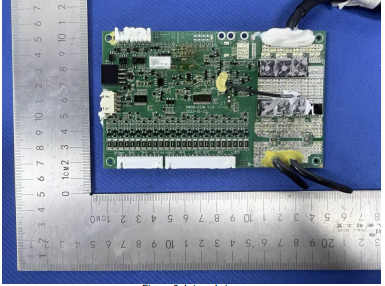
Consistent cells, effective battery management systems (BMS), and reliable thermal and vibration protection support long-term performance. The pack must also match the AGV's power demand, runtime, installation space, and system interfaces.
Estimating remaining life requires comparing historical records with current performance. No single metric can reliably predict when an AGV battery will need replacement.
Check Age and Cycles
Review installation dates, shift patterns, and charge-cycle records against the manufacturer's specifications and warranty.
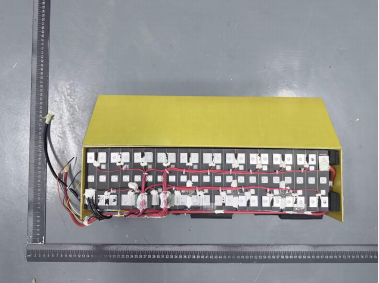
Compare Runtime and Capacity
AGV battery capacity affects how long a vehicle runs per charge. Compare current runtime with the original baseline under similar operating conditions.
|
Check |
What to Look For |
|
Runtime |
A 20–30% decline warrants further investigation |
|
Lithium battery data |
BMS-reported SOH, capacity estimates, voltage, and temperature |
|
Lead-acid condition |
Maintenance records and manufacturer-recommended checks |
|
Warning signs |
Low-voltage alarms, unusual heat, or sudden runtime loss |
A shorter runtime does not necessarily mean an equal percentage of capacity loss. Workload and environmental changes can also contribute. Battery age and cycle count alone cannot establish remaining life. Investigate abnormal heating or sudden performance changes promptly.
Replace an AGV battery when declining performance affects operational needs or its condition raises safety concerns.
Watch for:
Around 80% of original usable capacity can trigger an assessment, but replacement depends on workload, manufacturer guidance, and safety.
Planned replacement helps AGV battery systems maintain fleet availability by coordinating battery condition, charging schedules, and operational demand. Reactive replacement can lead to emergency purchasing, unexpected downtime, and scheduling disruptions. Multi-shift operations benefit from including battery health in routine maintenance planning.
Use historical capacity decline, current SOH, workload, and manufacturer data to estimate remaining service time. Do not simply subtract used cycles from the rated cycle life. Track runtime and battery health regularly to plan procurement and replacement before performance becomes inadequate.
The choice depends on current performance, retrofit requirements, and long-term operating costs.
A like-for-like replacement minimizes system changes when the existing battery meets operational needs. Verify voltage, capacity, dimensions, connectors, and charger compatibility. Repeating the same chemistry may not solve high-frequency usage demands.
An AGV lithium battery upgrade may suit multi-shift fleets and frequent charging. LiFePO4 offers long cycle life and good thermal stability, but results depend on pack design, temperature, and charging practices.
Assess purchase price, replacement frequency, maintenance, labor, downtime, and lifetime energy delivered.
Cost per delivered kWh = Total lifecycle cost÷Total energy delivered
Also verify current ratings, weight, mounting, charger settings, and BMS communication, including CAN or RS485 where required.
Evaluate cell selection, pack design, BMS protection, interface adaptation, testing, warranty, and after-sales support against your AGV's workload and runtime needs.

The lifespan of an AGV battery depends on its chemistry, workload, operating temperature, charging strategy, and pack design. Rather than relying on age alone, businesses should track cycle history, state of health (SOH), and actual runtime to identify declining performance and plan replacements before unexpected downtime occurs. For multi-shift fleets with frequent charging demands, LiFePO4 may also be worth evaluating for its potential long-term cost benefits. Choosing the right industrial agv battery requires balancing service life, compatibility, and operational requirements.
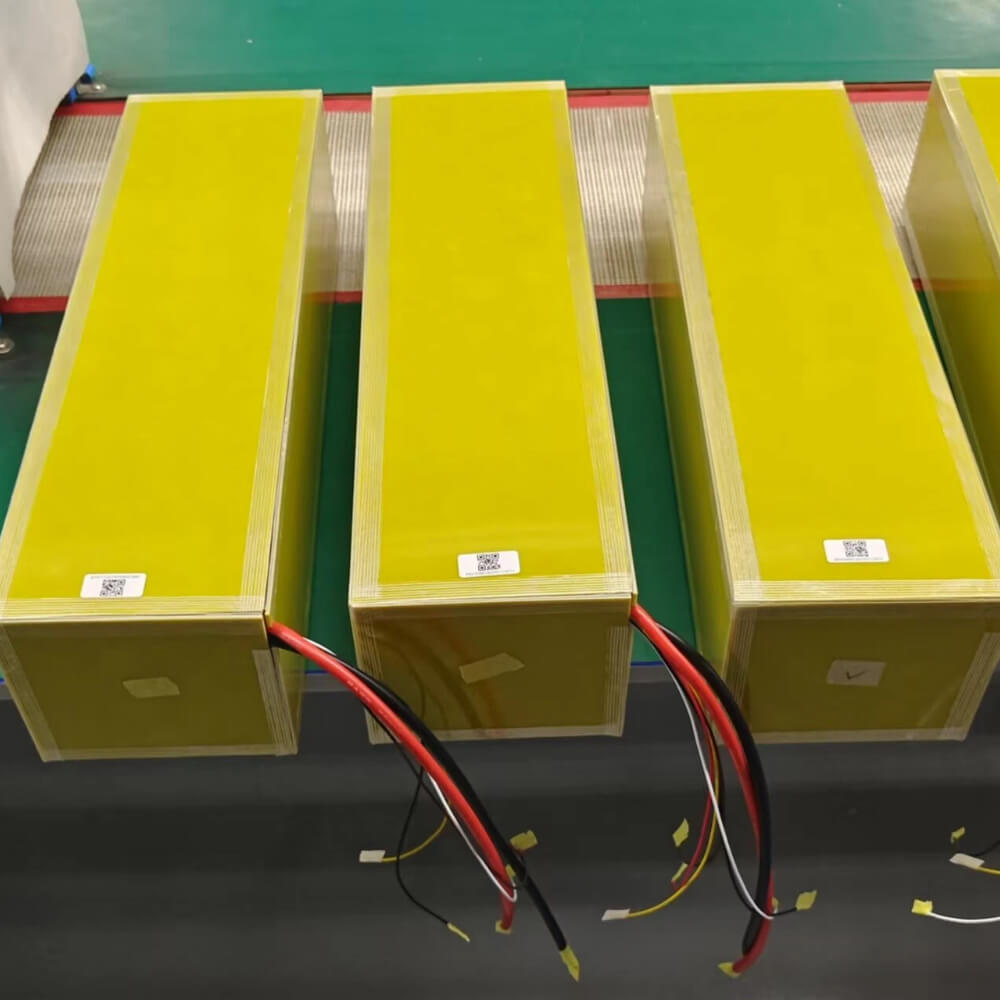
Vodno Battery provides battery design, engineering, manufacturing, and quality control capabilities to support different customer requirements. If you are planning an AGV battery replacement or a customized battery solution, contact Vodno Battery to discuss your application, capacity, runtime, and technical specifications.

 YouTube
 Facebook
 Linkedin