
Lithium battery professional builder
Imagine preparing for your daily commute or weekend ride. Your e-bike battery indicator shows 100% charge, but when you press the power button, nothing happens. This frustrating situation, known as an e bike battery fully charged but not working issue, is more common than many riders expect. A full battery display does not always mean the entire e-bike power system is functioning properly.
In many cases, the problem is not simply the battery itself. Power failures can be caused by various factors, including loose battery connections, Battery Management System (BMS) protection, blown fuses, controller issues, damaged wiring, or battery aging. Identifying the real cause is the first step toward restoring your e-bike’s performance.
This guide explains why an e-bike battery can show a full charge but fail to work, how to troubleshoot common problems step by step, and how to prevent future battery issues. It also highlights what to consider when choosing a reliable lithium battery supplier for long-term performance and safety.
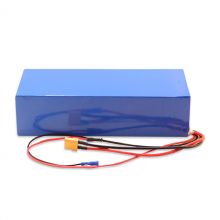
Before troubleshooting an e bike battery fully charged but not working issue, it is important to know that a full battery does not always mean the e-bike system is working properly. Problems with power output, BMS protection, connections, or internal components may prevent the bike from operating.
Loose connections or dirty terminals can interrupt power transmission even when the battery is fully charged. This may happen when the battery is not installed properly, connectors become loose, or terminals are affected by dust, moisture, or oxidation.
Common signs include:
Display does not turn on
Motor has no response
Battery indicator still shows charge
Check and clean the terminals, reinstall the battery, and inspect all connectors.
The Battery Management System (BMS) is the intelligent protection system inside lithium batteries. It protects the battery from overcharge, over-discharge, overheating, and short circuits.
A battery may appear fully charged while the BMS blocks discharge output due to abnormal voltage, overheating, short circuits, or cell imbalance. Disconnecting and reconnecting the battery after several minutes may help reset the system.
Some e-bike battery packs include fuse protection. A power surge or wiring short circuit can blow the fuse and stop power delivery.
Inspect the fuse near the battery or controller and replace it with the same specification if necessary.
The controller controls power delivery from the battery to the motor. If it fails, the battery may work normally, but the motor will not receive power.
Typical signs include no acceleration, error codes, or no motor response.
A damaged display, faulty power button, or loose cable can interrupt communication between the battery and e-bike system. Try holding the power button longer and checking display connections.
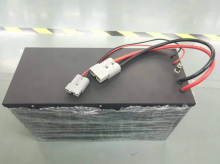
A lithium battery can show full voltage but still have poor discharge performance due to aging cells, capacity loss, or increased internal resistance.
Signs include shorter riding range, sudden shutdowns, and insufficient power output.
Lithium batteries are sensitive to temperature. Cold conditions may reduce capacity and trigger BMS protection, while excessive heat may activate safety protection.
For stable performance, store batteries at 15-25℃ in a dry environment. A reliable lithium battery design with an advanced BMS helps ensure safer and more consistent e-bike operation.
Follow these steps to identify the cause of an e bike battery fully charged but not working issue:
|
Step |
How to Check |
|
Step 1: Check Battery Installation |
Turn off the e-bike, remove and reinstall the battery firmly, and ensure the locking mechanism works properly. |
|
Step 2: Inspect Battery Terminals and Connectors |
Check for dirt, corrosion, moisture, or loose contacts. Clean the terminals with a dry cloth or soft brush and make sure all connectors are secure. |
|
Step 3: Reset the Battery System |
Turn off the bike, remove the battery, wait several minutes, and reconnect it to clear possible temporary BMS protection. |
|
Step 4: Test Battery Voltage |
Use a multimeter to check battery output. A fully charged 36V battery is about 42V, 48V battery is about 54.6V, and 52V battery is about 58.8V. Normal voltage means the issue may come from other components. |
|
Step 5: Check Controller, Wiring, and Motor |
Inspect controller connectors, motor cables, and display cables for loose connections or damage. |
Proper battery care can help extend service life and reduce unexpected power issues.
Use a High-Quality Charger
Always use a compatible charger recommended for your battery. An incorrect charger may damage lithium cells and affect battery performance.
Avoid Extreme Charging Habits
Avoid fully draining the battery frequently, prevent overcharging, and maintain proper storage charge levels.
Keep Battery Clean and Dry
Protect the battery from rain, dust, and moisture to prevent connection problems and internal damage.
Choose Reliable Lithium Battery Solutions
A quality e-bike battery should include stable lithium cells, advanced BMS protection, customized design, and strict quality control.
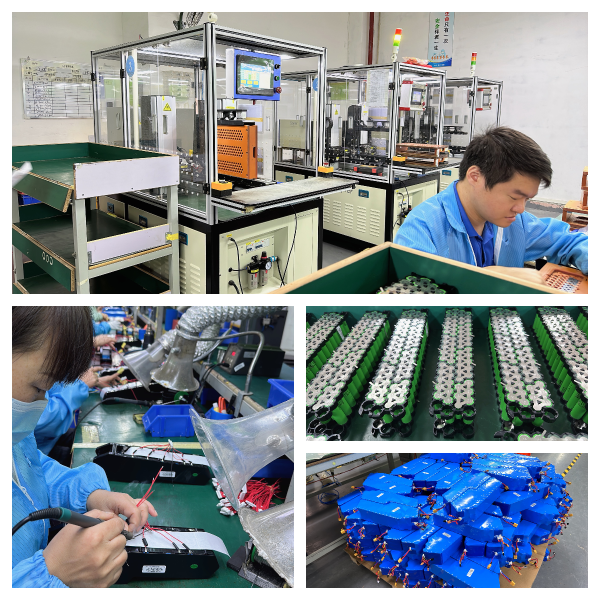
Choosing a reliable e-bike battery manufacturer is essential for ensuring product reliability, safety, and a better user experience. A qualified supplier should offer customized battery pack design, flexible capacity and voltage options, and advanced engineering, including circuit design, BMS integration, and performance optimization. In addition, strict quality control and compliance with international standards such as CE, RoHS, and UN certifications help ensure consistent product quality. Manufacturers with global supply experience are also better equipped to support OEM and custom battery projects.
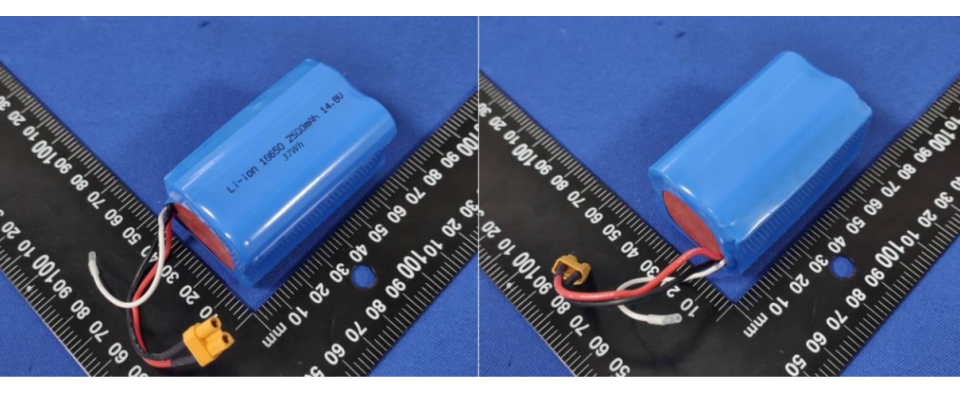
Q1: Why is my e bike battery fully charged but not working?
It may be caused by loose connections, BMS protection, controller failure, or battery aging.
Q2: How do I reset my e-bike battery?
Turn off the bike, remove the battery, wait several minutes, and reinstall it.
Q3: How do I know if my e-bike battery is damaged?
Common signs include swelling, overheating, reduced riding range, and abnormal voltage.
Q4: Can a fully charged e-bike battery still be bad?
Yes. Cell degradation, BMS failure, or internal damage can prevent a fully charged battery from delivering enough power.
A fully charged e-bike battery that does not work does not always mean the battery has failed. Connection issues, BMS protection, controller faults, wiring problems, and battery aging can all prevent an e-bike from operating. Identifying the root cause through proper troubleshooting can save both time and unnecessary replacement costs.
For businesses seeking reliable e-bike battery solutions, Vodno Battery offers customized lithium battery packs backed by advanced engineering, integrated BMS design, and strict quality control. With extensive OEM and ODM experience, Vodno Battery helps customers develop safe, high-performance battery solutions for a wide range of e-bike applications.

 YouTube
 Facebook
 Linkedin