
Lithium battery professional builder
How long do electric bicycle batteries last is a key question for e-bike users when evaluating performance, maintenance needs, and long-term ownership costs. As the core power source of an e-bike, the electric bicycle battery directly affects riding range, power output, and overall system reliability.
Battery lifespan has a direct impact on everyday riding experience. Whether the e-bike is used for daily commuting, commercial delivery, or recreational riding, battery performance determines how efficiently and consistently it can operate over time.
In reality, battery life is not fixed. It varies based on several factors, including usage habits, charging behavior, operating environment, and battery quality. Understanding these factors can help users maximize battery lifespan and make more informed decisions when maintaining or replacing their e-bike battery.
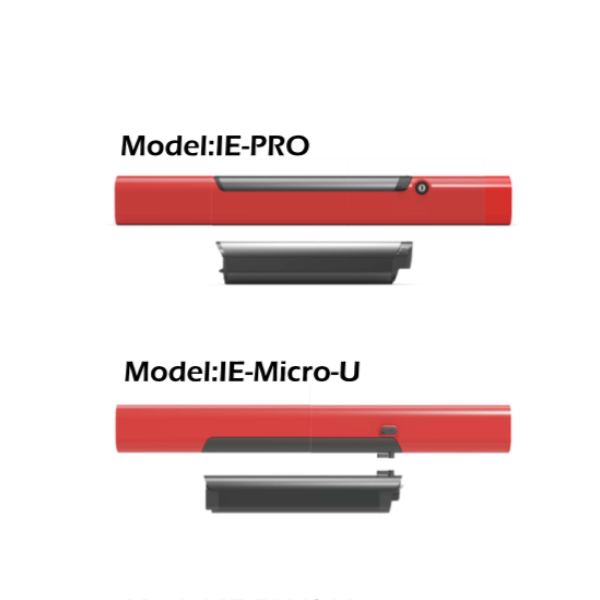
The average lifespan of an electric bicycle battery is typically around 3-5 years, depending on usage conditions and battery quality. In terms of charging cycles, most e-bike batteries are designed to last approximately 500-1000+ charge cycles before significant performance degradation occurs.
It is important to understand that battery failure is usually not sudden. Instead, lithium battery capacity gradually decreases over time. This means the riding range becomes shorter step by step, rather than the battery stopping working abruptly.
The lifespan of an e-bike battery is largely determined by its overall quality and design. This is why batteries with similar capacities can have very different service lives.
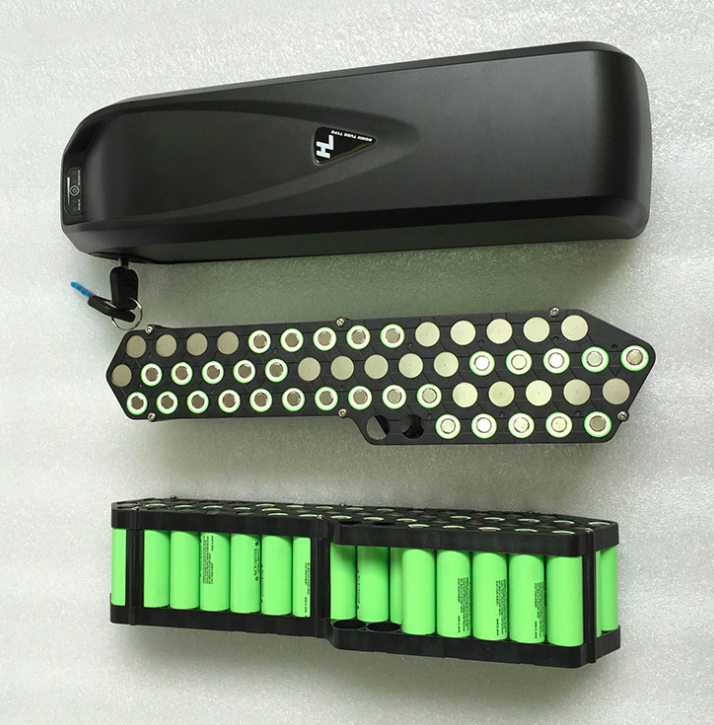
High-quality battery cells provide longer cycle life, while an advanced Battery Management System (BMS) helps balance cells, prevent overcharging and over-discharging, and improve safety. When battery performance declines, choosing high-quality electric bicycle replacement batteries can help restore reliable riding performance.

The lifespan of a lithium ion battery for electric bicycle depends on several key technical and usage-related factors that influence long-term performance and degradation speed.
High-quality cells and a stable battery management system (BMS) significantly improve cycle life and overall durability of a lithium ion battery for electric bicycle.
Proper charging behavior, such as avoiding overcharging and deep discharging, helps reduce stress on the battery and extends its usable lifespan.
Extreme heat or cold can accelerate capacity loss. Stable operating temperatures help maintain better long-term performance.
High load, frequent acceleration, and steep climbs increase energy demand, which can shorten the effective lifespan of the battery over time.
The lifespan of an e-bike battery is commonly measured by charge cycles rather than years. One charge cycle refers to a full charge and discharge, although it may be completed over multiple partial charges. Most e-bike batteries are rated for 500-1000+ charge cycles, after which the battery continues to function but with gradually reduced capacity and riding range.
|
Factor |
Recommendation |
|
Charge cycles |
500-1000+ cycles |
|
Charging range |
Keep 20%-80% when possible |
|
Temperature |
Avoid extreme heat or cold |
|
Charger |
Use the original or compatible charger |
|
Storage |
Store at partial charge if unused |
While battery aging is inevitable, proper charging and storage habits can significantly slow capacity loss. Avoiding deep discharge, extreme temperatures, and incompatible chargers helps maximize battery life and maintain stable performance over the long term.
As an electric bike battery ages, its performance gradually declines. The most common sign is reduced riding range, along with slower or abnormal charging behavior.
You may also notice unstable power output, overheating, or even battery swelling. These are clear indicators that the battery is reaching the end of its service life.
An e-bike battery should be replaced when its performance can no longer meet daily riding needs. One common indicator is when the capacity drops below 70-80%, resulting in a noticeable reduction in riding range. In most cases, a battery used regularly for 3-5 years will begin to show clear signs of degradation, even with proper maintenance.
If the current system can no longer support normal commuting or required riding distance, upgrading to a high capacity e-bike battery becomes necessary to restore reliable performance and ensure consistent daily use.
The lifespan of an electric bicycle battery is determined by multiple factors, including battery quality, charging habits, operating environment, and daily usage. While most e-bike batteries typically last 3-5 years or 500-1000+ charge cycles, proper maintenance and correct charging practices can significantly extend their service life.
Whether for daily commuting, commercial delivery, or recreational riding, a reliable battery is essential for maintaining stable performance, consistent riding range, and long-term safety. Understanding the factors that affect battery lifespan helps users make better decisions when maintaining or replacing their e-bike battery.
Vodno Battery specializes in high-quality electric bicycle battery solutions designed for reliable performance, long cycle life, and enhanced safety. With advanced battery technology and dependable battery management systems, Vodno Battery provides battery packs that meet the demands of a wide range of e-bike applications.


 YouTube
 Facebook
 Linkedin